Infrastructures for mechanical testing under corrosive environments
Expertise of mechanical testing combined with control of corrosive conditions to reproduce in-service conditions.
In real-world industrial conditions, mechanical stresses and aggressive environments act simultaneously. Their combination can lead to unexpected failure modes, well below the limits established by conventional testing in air.
Stress corrosion cracking, hydrogen embrittlement, corrosion fatigue, environmentally assisted cracking: these phenomena affect a broad spectrum of materials including high-strength steels, aluminium alloys, titanium alloys and nickel-based superalloys. They concern sectors as diverse as automotive, aerospace, energy and the oil and gas industry.
The French Corrosion Institute has the equipment and expertise to reproduce these conditions while simultaneously controlling mechanical loading and the exposure environment: liquid or atmospheric corrosive media, temperature, humidity. Tests are carried out in accordance with the international standards in force or to bespoke specifications and cover the full range of approaches: from constant-load tests under immersion-emersion conditions through to crack propagation on pre-cracked specimens in corrosive environments.
Stress corrosion cracking tests
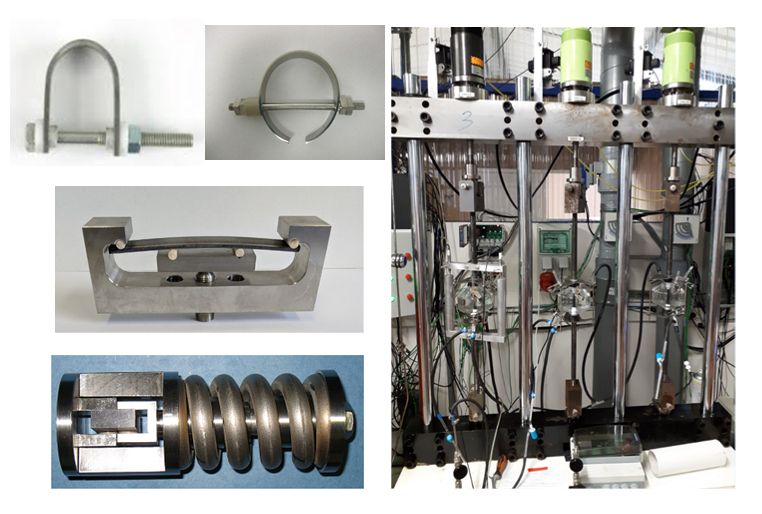
The French Corrosion Institute owns and develops test rigs to perform stress corrosion cracking tests in:
– Static mode: 3 or 4-point bending fixtures, U-bend specimens, C-rings, dynamometric rings, dead-weight tensile machines (10T)
– Dynamic mode: slow strain rate
These tests comply with ASTM G30, ASTM G36, ASTM G38, ASTM G39 and ASTM G40 standards.
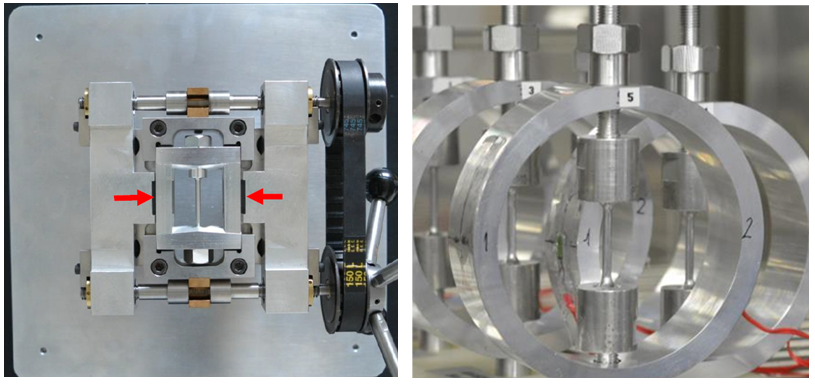
Tests can also be carried out in climatic or corrosion chambers, controlled in temperature and humidity, with or without saline pollution, for example to perform EAC tests on high-strength 7000-series aluminium alloys.
Corrosion fatigue tests under immersion
Corrosion fatigue tests in corrosive atmospheres
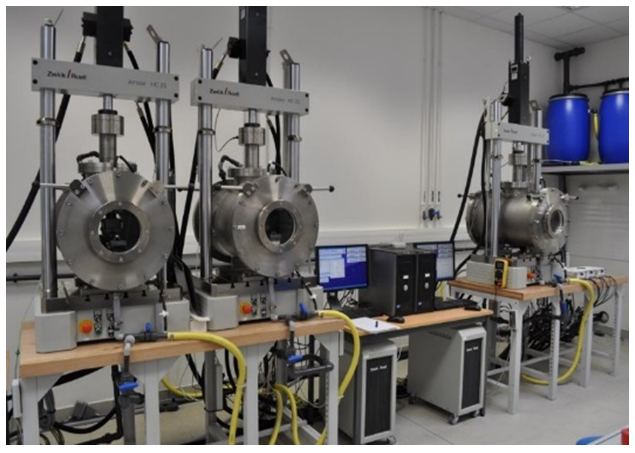
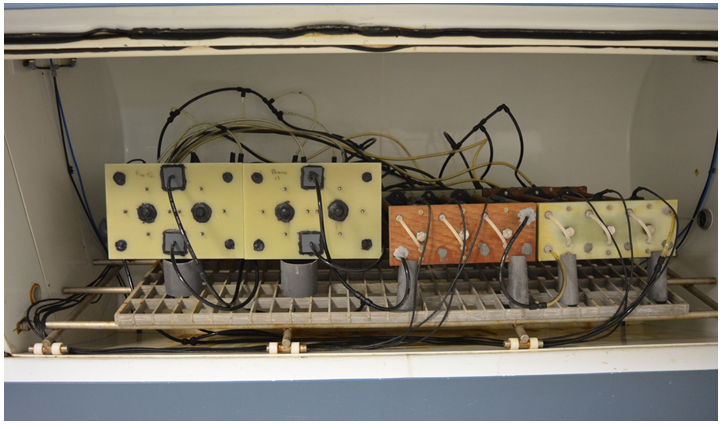
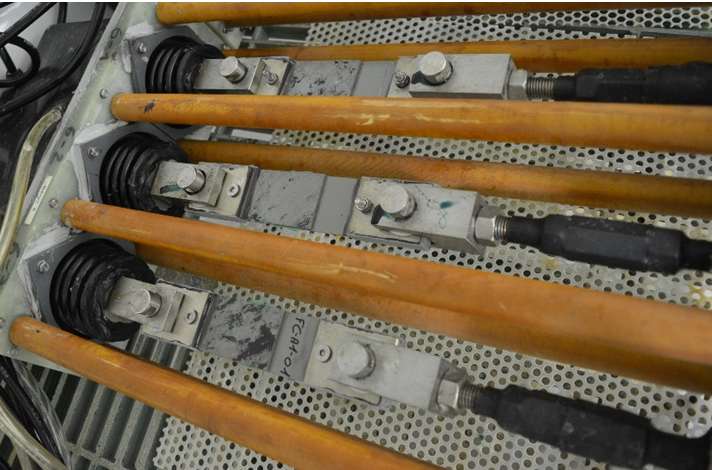
A unique tool was developed during the European AUTOFATCOR project, enabling fatigue cycles to be performed inside a corrosion chamber meeting most of the accelerated test standards used in the automotive and aerospace industries. Testing capacity has been expanded over the following years to reach a total of 21 independent stations that can be operated in parallel.
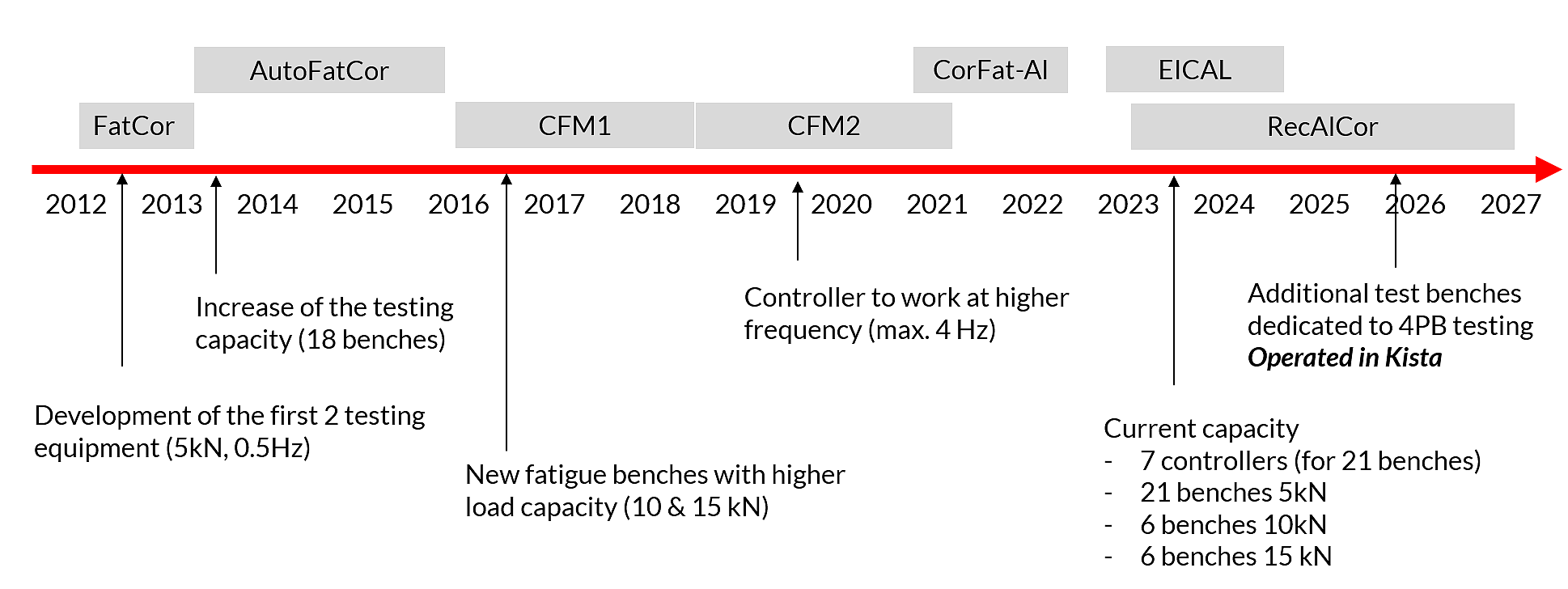
The rigs offer force performance ranging from 5 to 15 kN and test frequencies from 0 to 4 Hz. They make it possible to test metallic alloys or assemblies (bolted, bonded, riveted, welded, etc.). The latest developments, in collaboration with RISE, focus on 4-point bending fatigue rigs with a maximum capacity of 10 kN.
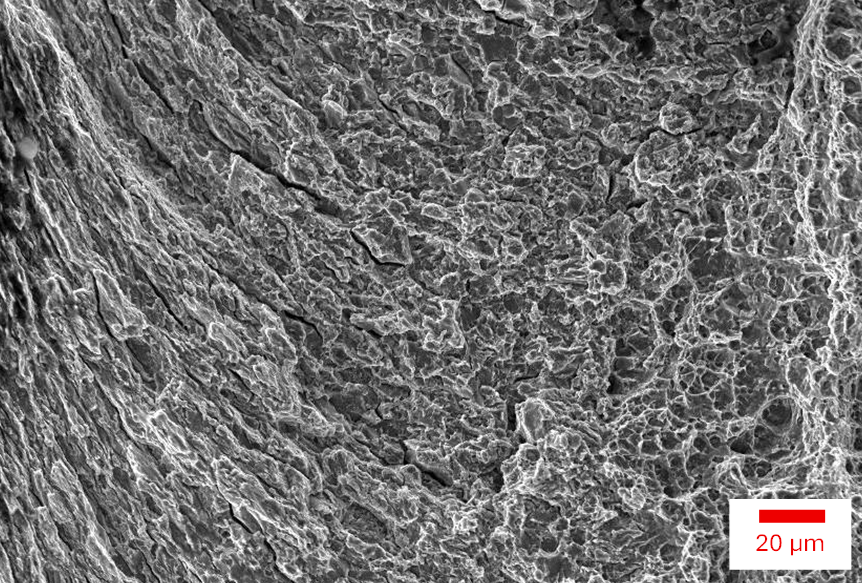
Hydrogen embrittlement tests for the automotive industry
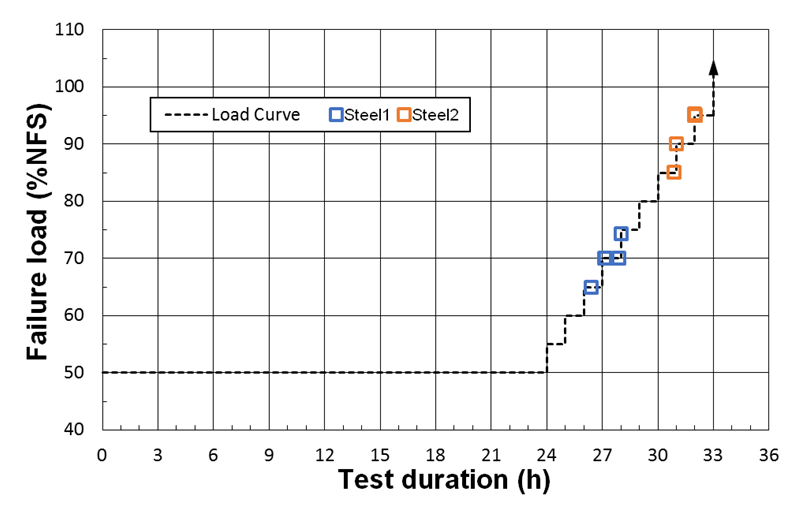
The French Corrosion Institute’s testing capabilities cover the full range of standardised approaches to characterise this risk: constant-load loading, incremental loading or pre-stressed specimens, tested in corrosive environments (atmospheric exposure or immersion) or under direct cathodic hydrogen charging. Measurement of the absorbed hydrogen concentration and determination of its activity in the material complete the analysis, providing a comprehensive view of the material’s behaviour in the face of this phenomenon.
Tests can be carried out in accordance with the VDA 238-201, 238-202 and 238-203 standards, key references in the automotive sector for the qualification of high-strength formed steels.
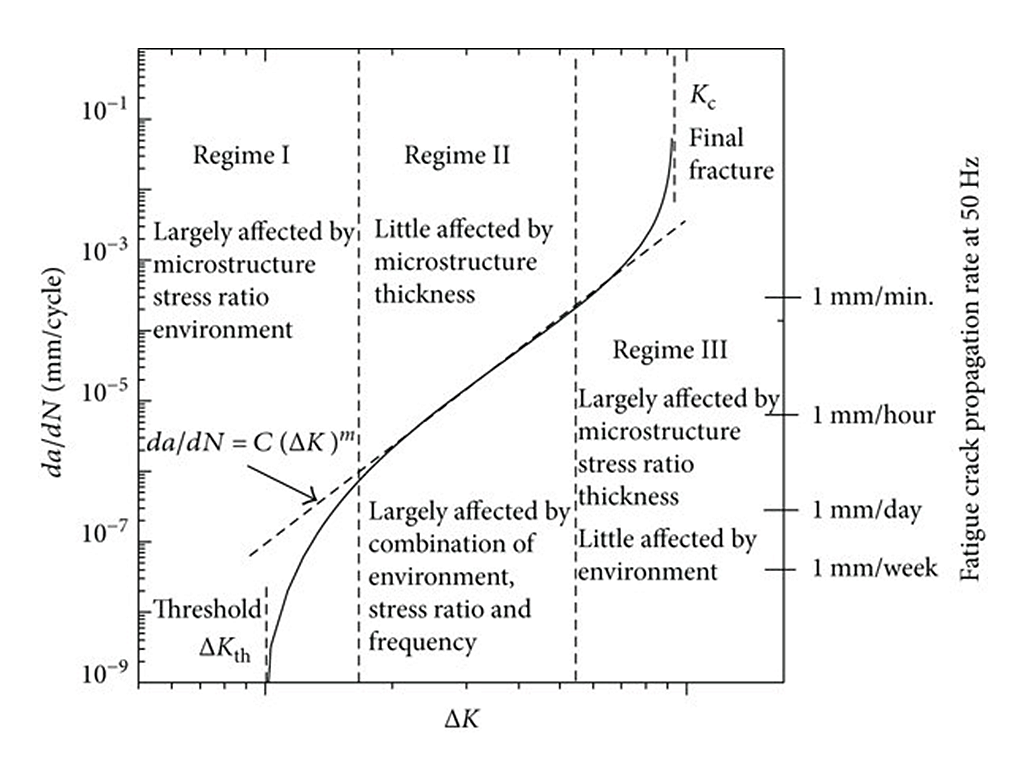
Fatigue cracking tests in corrosive environments
Would you like more information about our combined mechanical-corrosion test capabilities?
Also find our testing capacities under more severe/harsher conditions
Hydrogen
Ammonia
High pressure and toxic gases
High temperature