Low-carbon energy & corrosion testing
In the context of the energy transition and carbon neutrality objectives, low-carbon energies – such as hydrogen, nuclear power, and renewable energies – are emerging as key levers to reduce CO₂ emissions and sustainably transform industry. However, these innovative technologies introduce new challenges in terms of corrosion and material behavior, which can impact the safety, reliability, and lifespan of energy infrastructures. The French Corrosion Institute supports industrial stakeholders by providing cutting-edge scientific and technical expertise to control these phenomena, optimize material performance, and ensure the durability of systems in the most demanding environments.
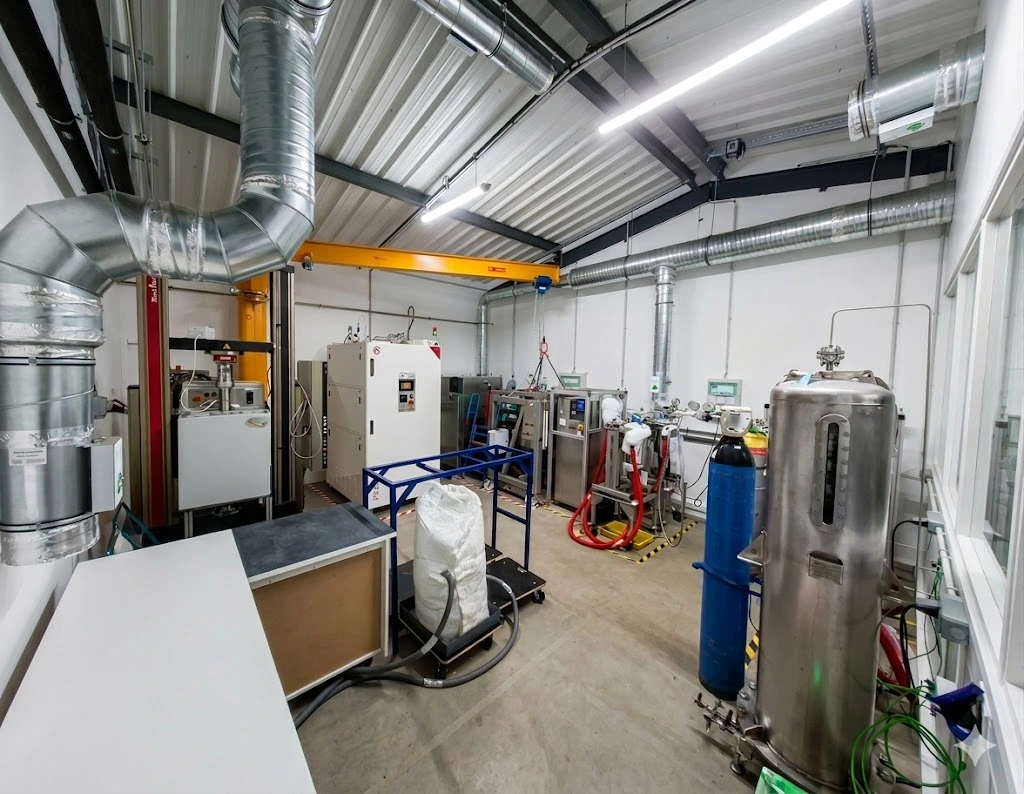
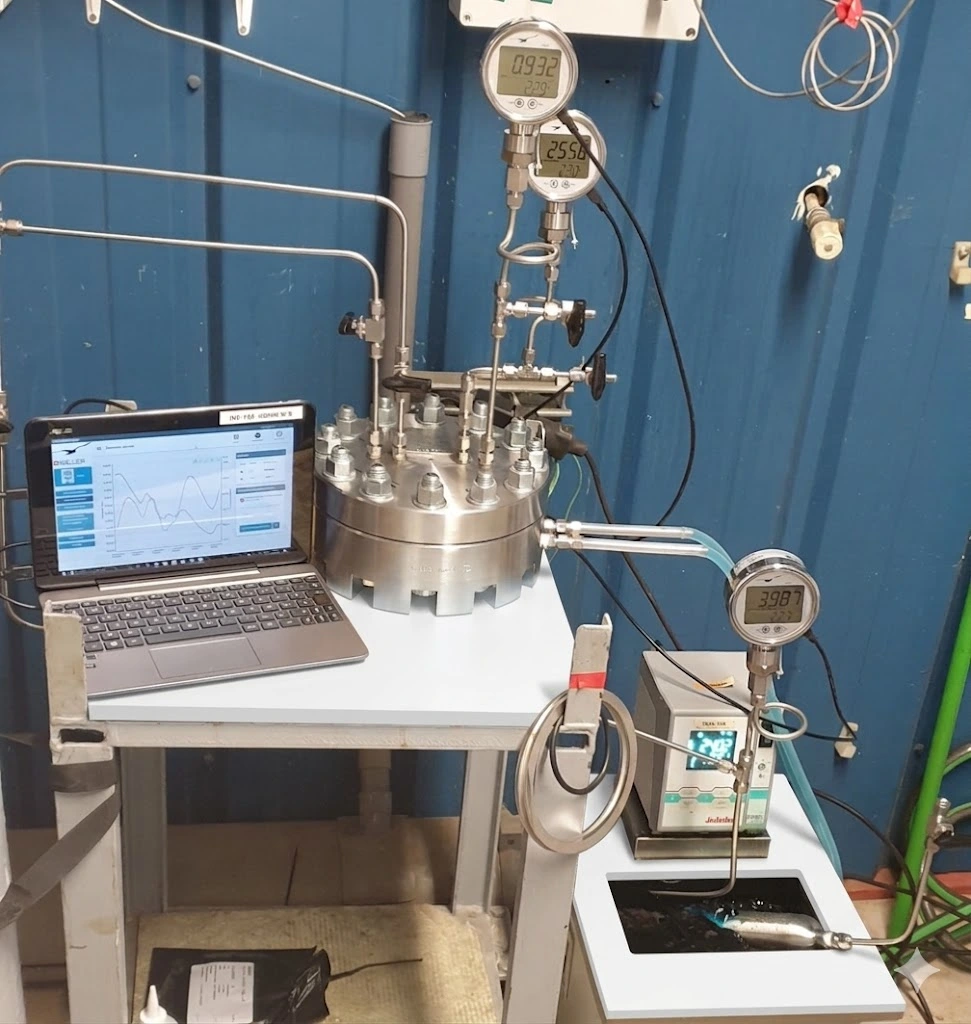
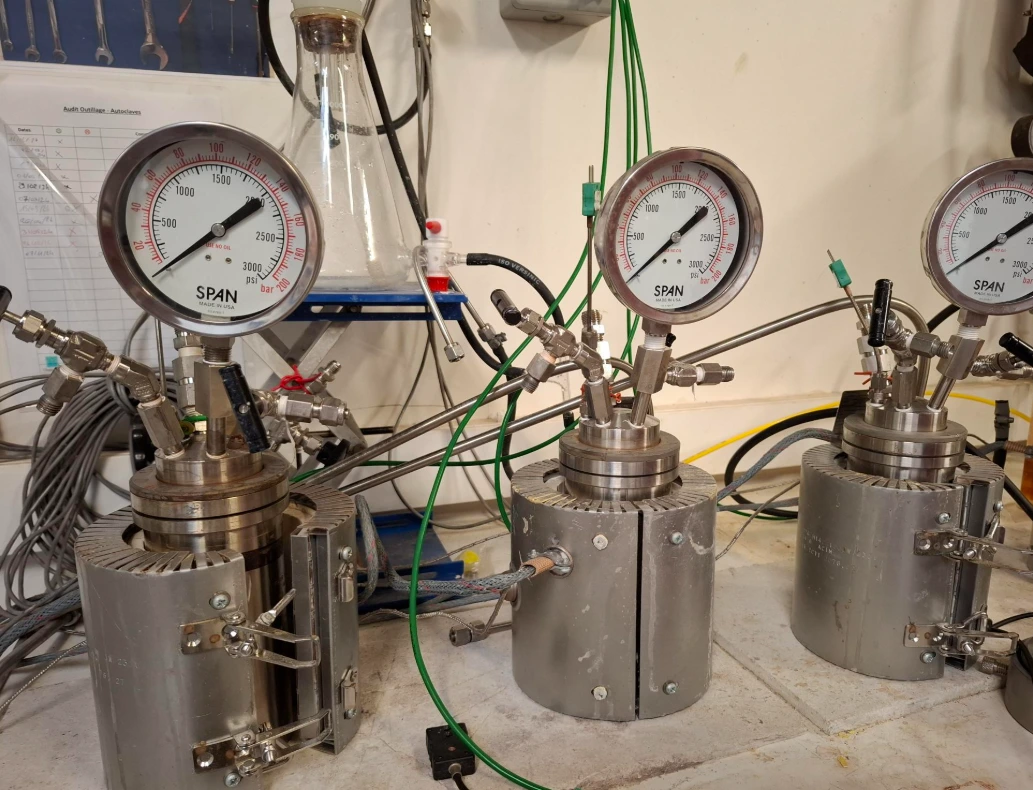
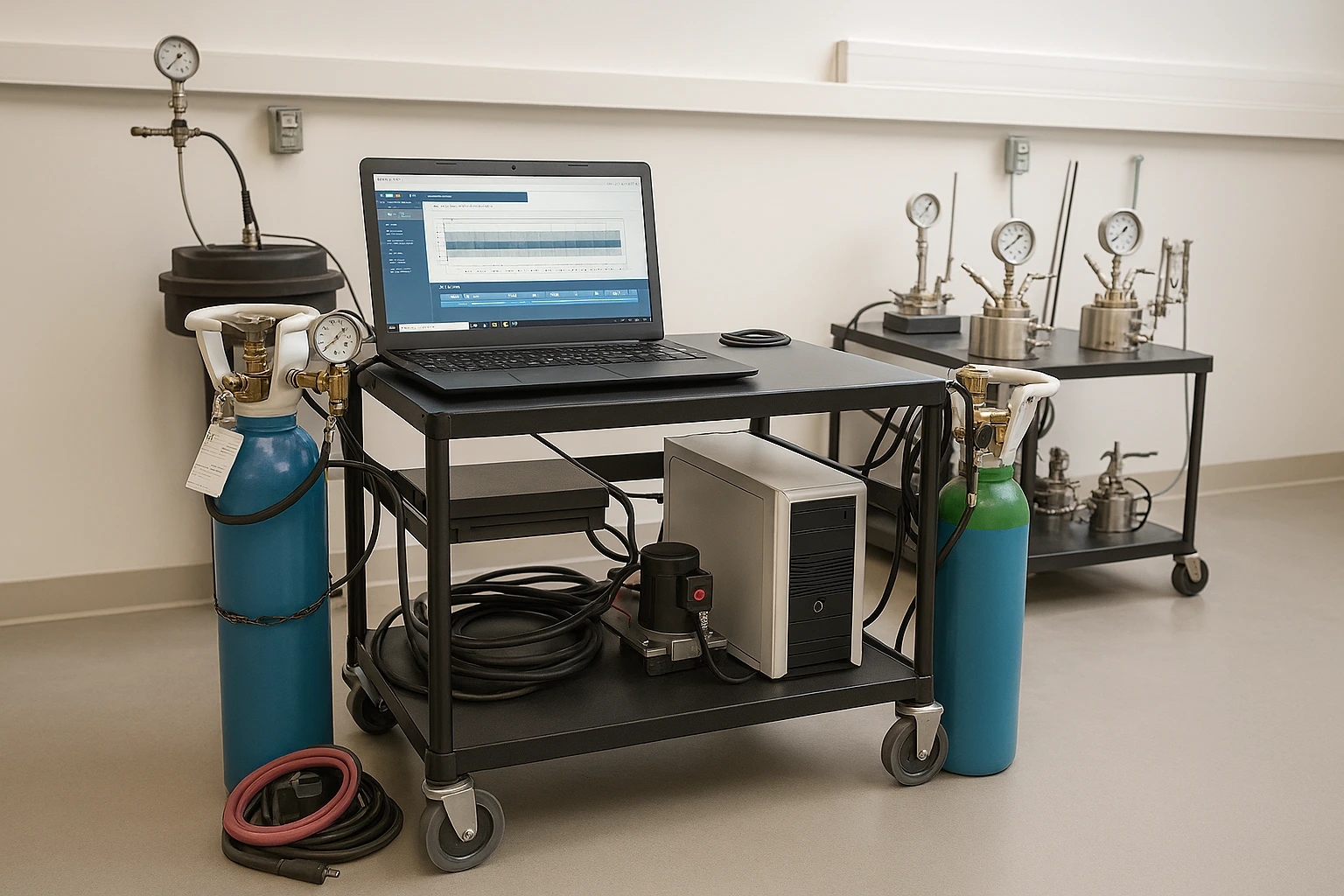
Our specialized laboratories, located in Brest, Saint-Étienne, and Lyon, offer corrosion testing services for low-carbon energy sectors: material qualification, pressure testing, and expert support across all these fields.
Transport and Storage of High-Pressure Hydrogen
Context
Hydrogen is one of the most promising energy carriers for the decarbonization of industry and transport. However, its handling under high pressure exposes materials to specific embrittlement phenomena — hydrogen absorption, stress corrosion cracking, accelerated fatigue — which represent critical risks to infrastructure integrity. The French Corrosion Institute has state-of-the-art infrastructure to assess material behaviour across the entire value chain: production, transport, storage and use.
Our missions
- Assess the resistance of materials to hydrogen embrittlement under service-representative conditions.
- Characterise degradation mechanisms under pure or contaminated hydrogen.
- Contribute to the qualification of materials and components for hydrogen infrastructures.
- Develop testing protocols tailored to the specific needs of the sector.
Our services
- Fracture toughness testing under pressure (ASTM E1820, ASTM F1624)
- Mechanical testing under hydrogen pressure (tensile, creep, fatigue)
- Fatigue crack growth testing (ASTM E647)
- Autoclave exposures under hydrogen pressure
- Permeation testing through metals, composites, and polymers
- Material evaluation at cryogenic temperatures (down to −150 °C)
- Testing with impurities (H₂S, humidity, CO) to simulate real conditions
- Development of custom test rigs for real components
- Consulting, material selection, and failure analysis
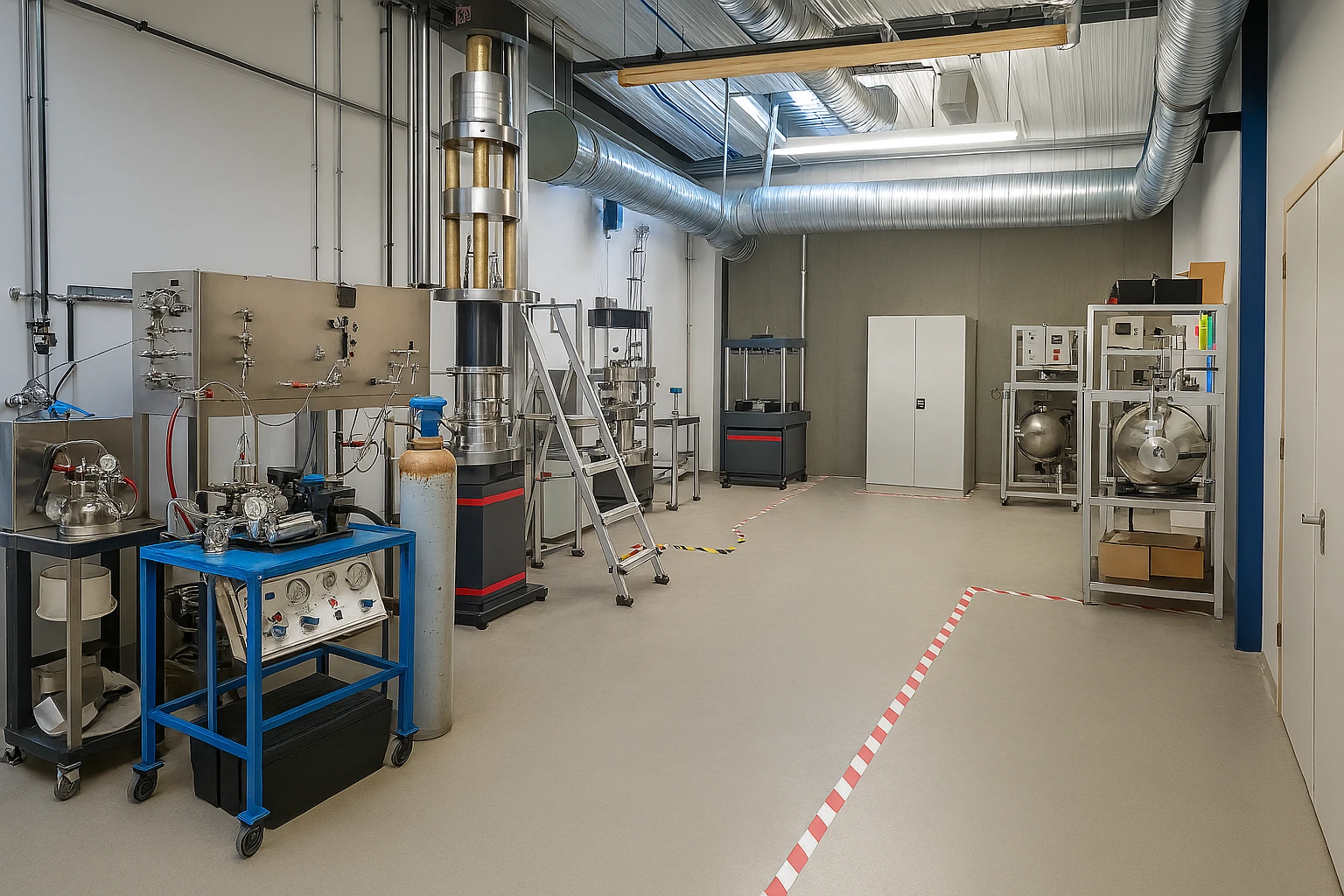
For a detailed overview of our hydrogen-dedicated protocols and equipment, please visit our page Gaseous hydrogen laboratory
Contact us : st.etienne@institut-corrosion.fr
Radioactive waste storage: corrosion in nuclear environments
Context
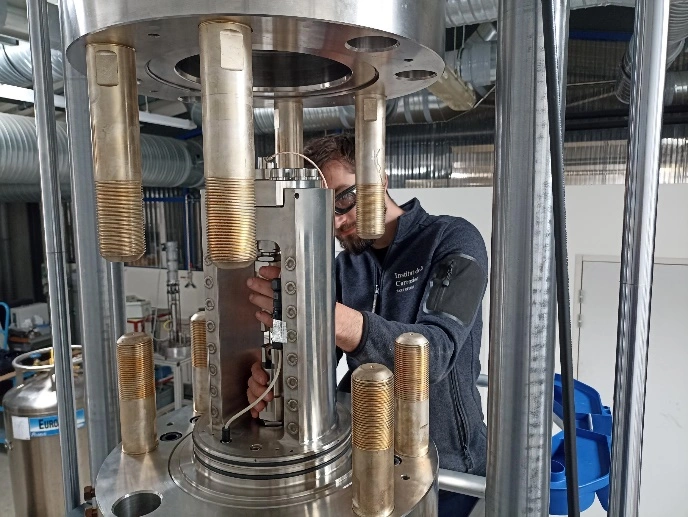
The long-term storage of nuclear waste represents one of the most complex challenges in corrosion: containment materials must maintain their integrity over timescales of several centuries, within confined and difficult-to-access geochemical environments. Clay formations, granite, and interstitial waters—these underground environments exert slow but continuous aggression on metallic and cement-based structures. Added to these phenomena is microbiological activity, often underestimated but potentially decisive in deep storage environments. The French Corrosion Institute provides rigorous scientific support to understand and model all of these phenomena, in collaboration with stakeholders involved in radioactive waste management.
Our missions
- Study the mechanisms of slow and delayed corrosion of containment materials in deep geochemical environments.
- Assess long-term corrosion kinetics in confined and complex environments.
- Characterize and quantify the influence of microorganisms on the corrosion of storage materials (MIC — Microbially Influenced Corrosion).
- Provide real-time monitoring solutions for corrosion and environmental parameters within storage facilities.
- Contribute to national and international research programs on the safety of radioactive waste storage.
Our services
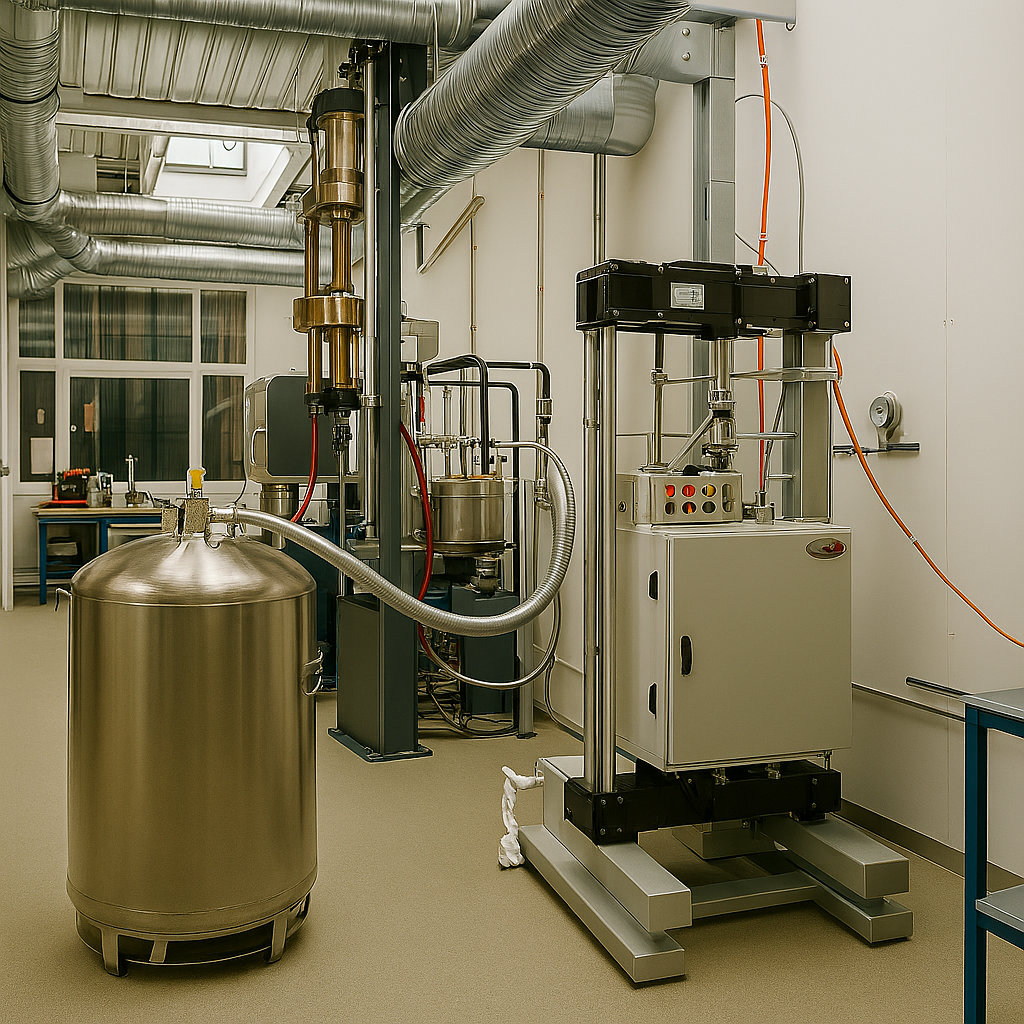
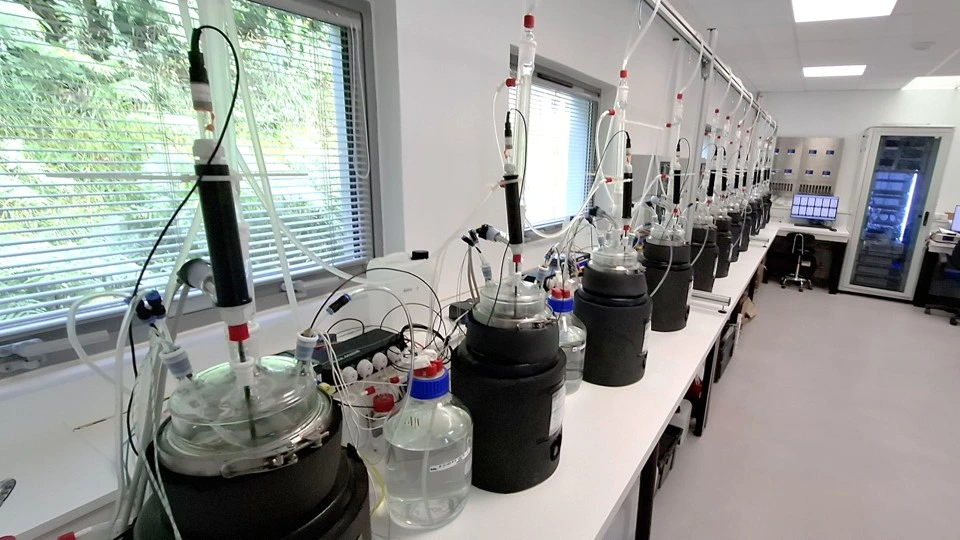
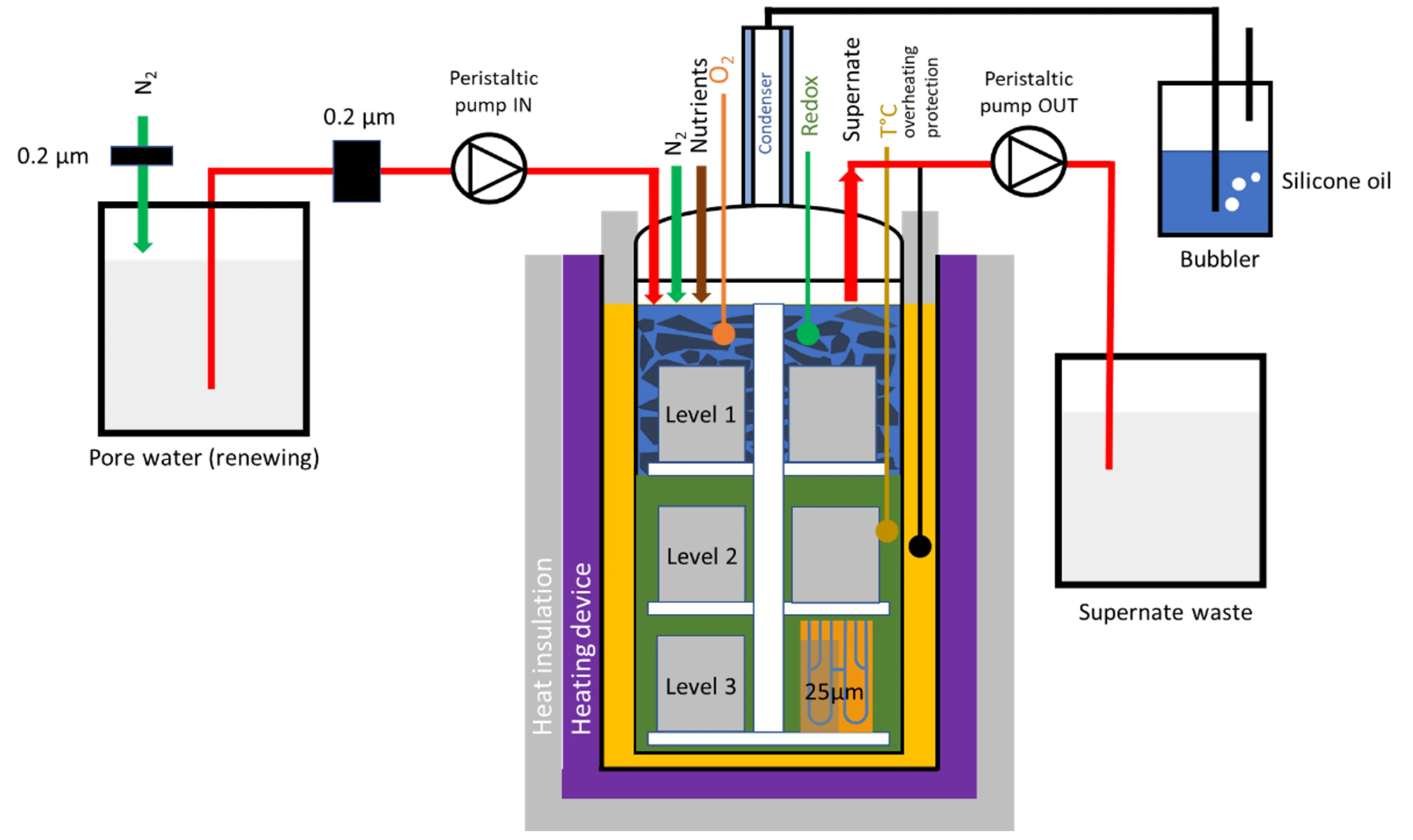
- Testing in dedicated chambers reproducing deep storage conditions (clay, granite, interstitial water)
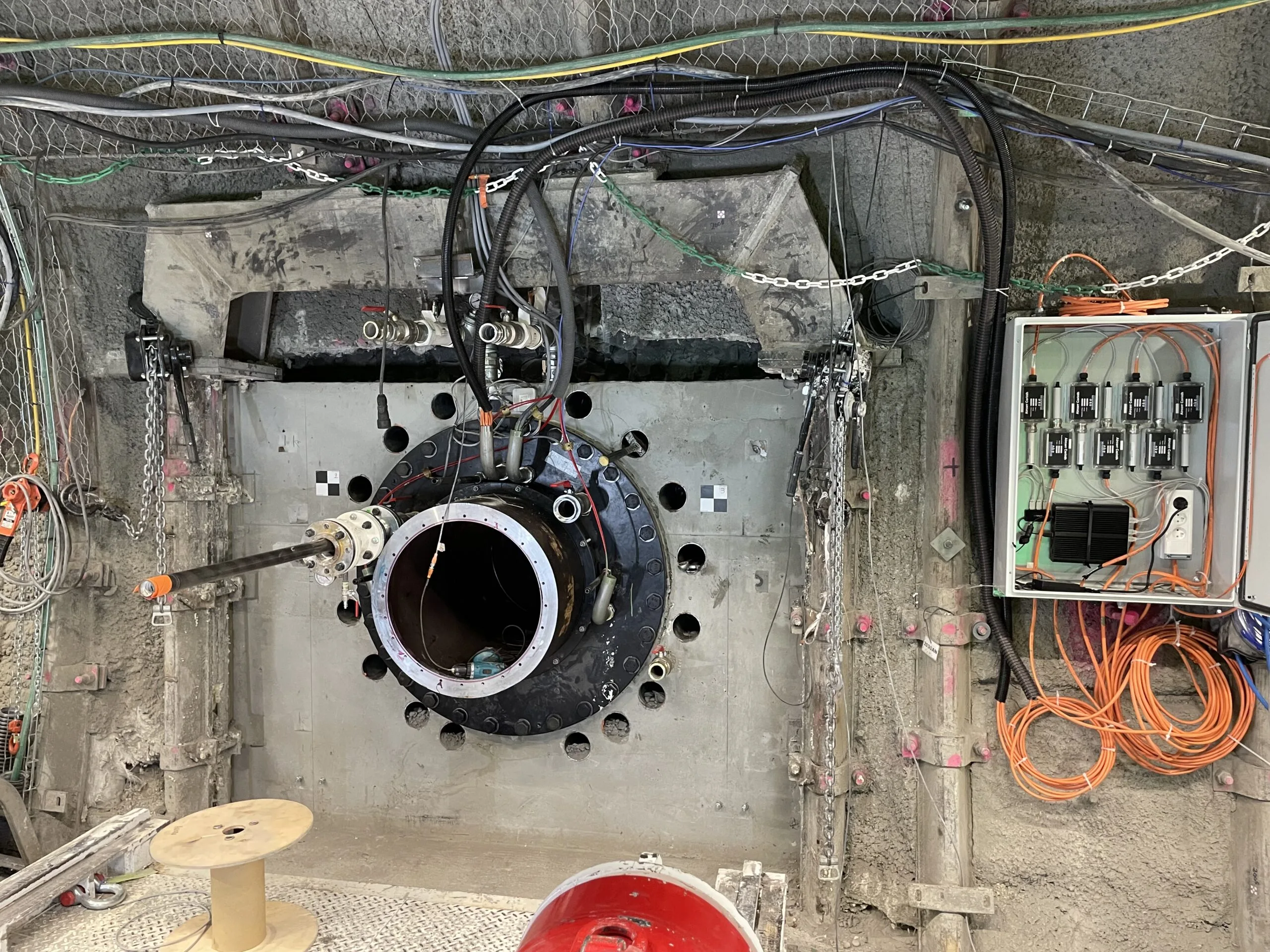
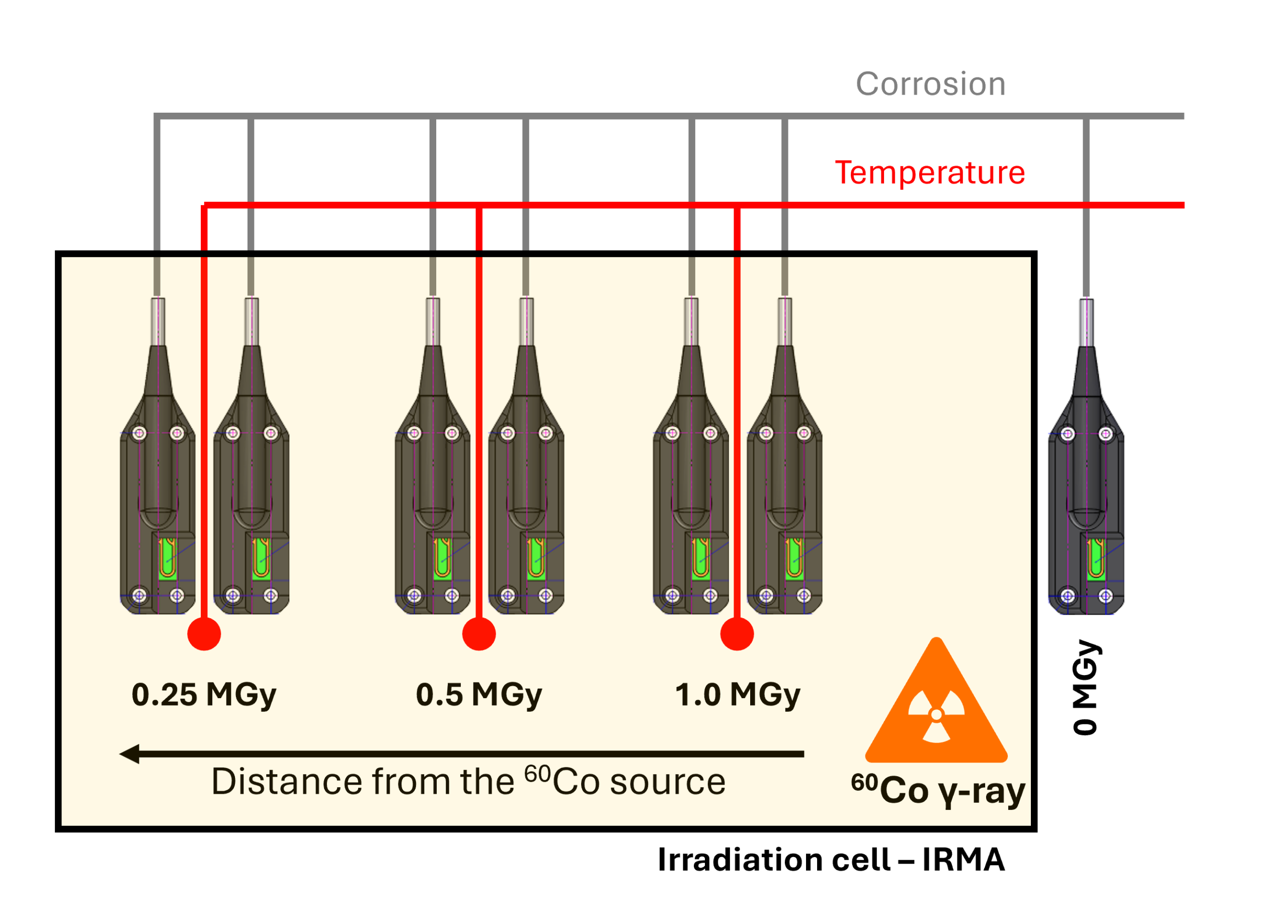
- In situ electrochemical monitoring of corrosion kinetics
- Evaluation of the behavior of metallic (steel, copper, alloys) and cementitious materials
- Assessment of microbiologically influenced corrosion (MIC), in partnership with Corrodys
- Provision of real-time corrosion and environmental sensor solutions (corrosion potential, temperature, pH, etc.) within storage infrastructures
- Participation in collaborative R&D programs (national projects such as ANDRA)
- Consulting and technical expertise in material selection for nuclear applications
For a detailed overview of our protocols and equipment dedicated to soil corrosion studies, please visit our soil laboratory page.
Contact us : brest@institut-corrosion.fr or st.etienne@institut-corrosion.fr
Ammonia (NH₃) as an energy carrier: corrosion and material compatibility
Context
Our missions
- Evaluate material compatibility with liquid and gaseous ammonia under conditions representative of industrial applications.
- Study ammonia-induced stress corrosion cracking mechanisms.
- Support the qualification of materials and components for ammonia transport, storage, and combustion sectors.
- Develop tailor-made tests for full-scale components.
Our services
- Liquid-phase exposures up to 40 bar (−40 °C to +70 °C)
- Gaseous-phase exposures under constant flow with composition variation (−20 °C to +70 °C)
- Batch autoclave testing up to 350 bar and 350 °C
- Slow strain rate and cyclic load testing up to 700 bar and −150 °C
- Permeation testing (metals, polymers, composites)
- High-temperature testing in tubular furnaces for combustion atmospheres (up to 1,200 °C)
- Development of full-scale testing reproducing field conditions
- Consulting, material selection, and failure analysis
For a detailed overview of our protocols and equipment dedicated to ammonia, please visit our Liquid and Gaseous Ammonia Testing Facilities page.
Contact us : st.etienne@institut-corrosion.fr
CCUS (Carbon Capture, Utilization and Storage)
Context
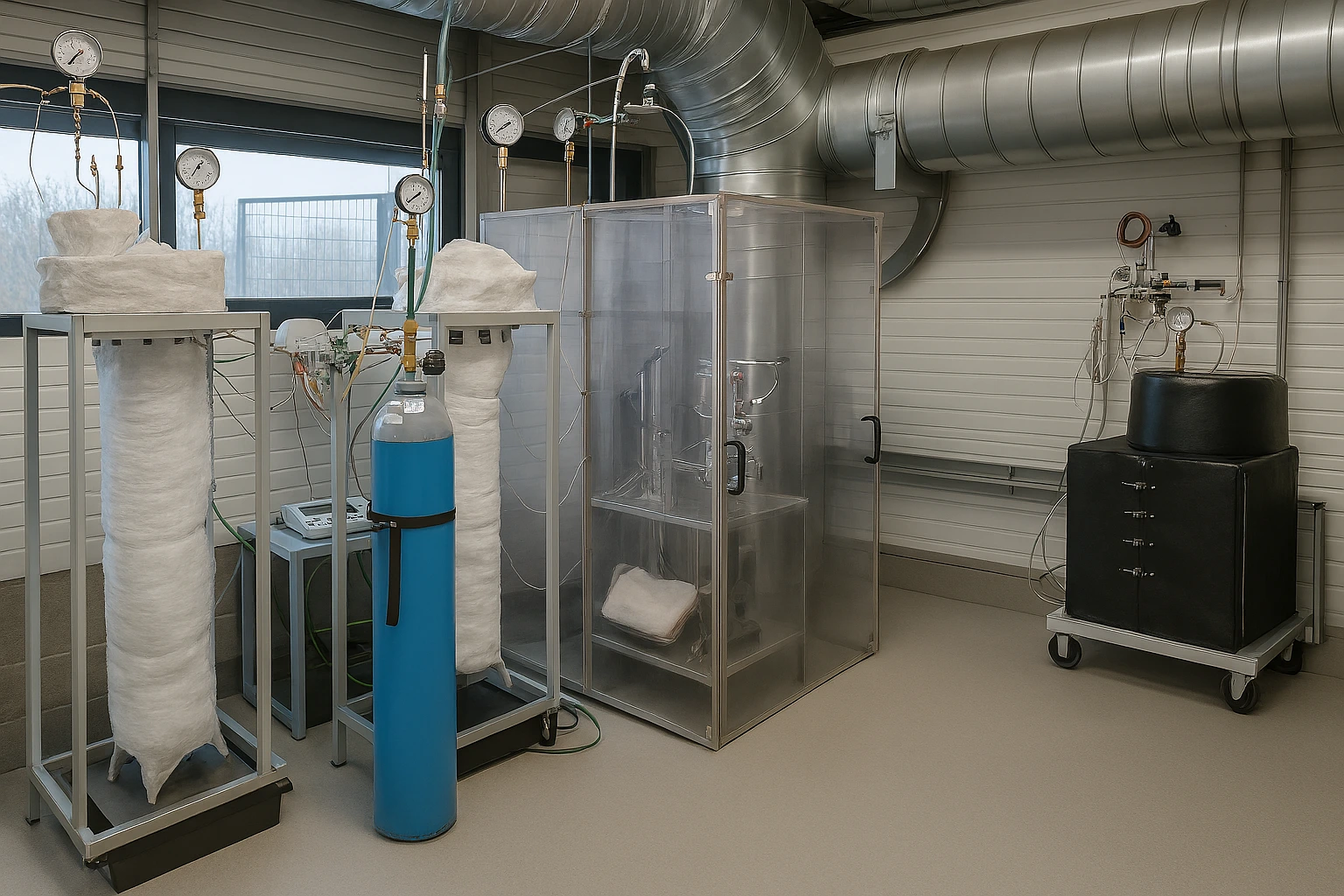
In the context of corrosion testing for low-carbon energy systems, CCUS technologies represent one of the major challenges for material durability.
Carbon capture and storage (CCUS) technologies play a central role in industrial decarbonization strategies. However, captured CO₂ may contain impurities—H₂S, SO₂, H₂O—which, when combined with high-pressure conditions, create highly corrosive environments for materials used in compression, transport, and storage equipment. The French Corrosion Institute has the necessary facilities to reproduce these environments and assess the resistance of metallic and polymer materials
Our missions
- Assess the corrosion resistance of materials in pressurized CO₂ environments, whether pure or contaminated.
- Characterize degradation mechanisms specific to CCUS conditions (dense and supercritical CO₂).
- Support the qualification of materials and coatings for capture, transport, and storage infrastructures.
- Contribute to R&D programs on the safety and durability of CCUS technologies.
Our services
- Immersion testing under gaseous, dense, or supercritical CO₂
- Evaluation of corrosivity in the presence of impurities (H₂S, SO₂, H₂O, O₂)
- High-pressure electrochemistry (polarization curves, EIS)
- Stress corrosion cracking assessment
- Coating and paint performance testing in CO₂ environments
- Consulting and material selection for CCUS applications
For a detailed overview of our protocols and equipment dedicated to CCUS conditions, please visit our Testing Facilities for Toxic Gases page.
Contact us : st.etienne@institut-corrosion.fr
Low-temperature water electrolysis
Context
The production of low-carbon hydrogen through low-temperature water electrolysis—using PEM (Proton Exchange Membrane), AEM (Anion Exchange Membrane), and AEL (Alkaline Electrolysis) technologies—is at the core of Europe’s industrial decarbonization strategy. These technologies involve complex components (bipolar plates, porous transport layers, catalysts) exposed to severe electrochemical conditions that can lead to corrosion, dissolution, and premature degradation. The French Corrosion Institute develops tailored evaluation methods to support electrolyzer manufacturers and component suppliers in improving the durability of their systems.
Our missions
- Assess the corrosion behavior of PEM, AEM, and AEL electrolyzer components.
- Develop innovative anticorrosion coatings (non-PGM, non-CRM) and characterize their performance.
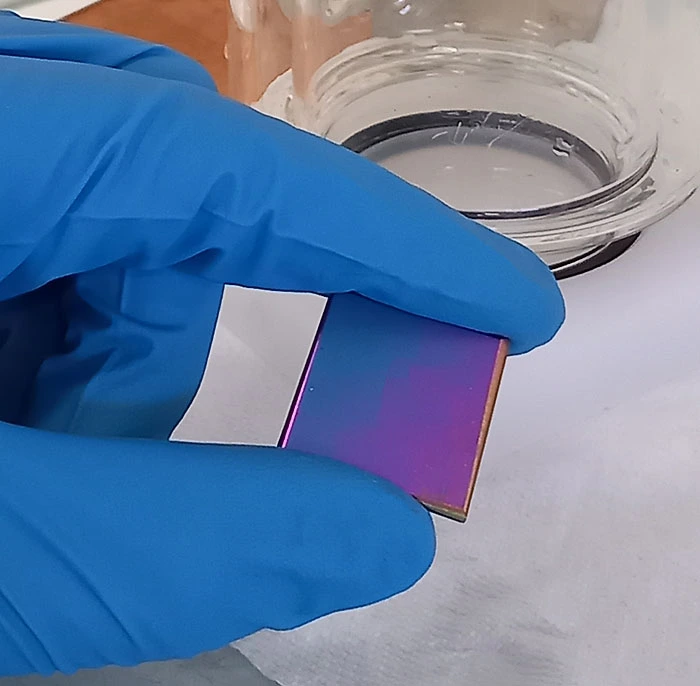
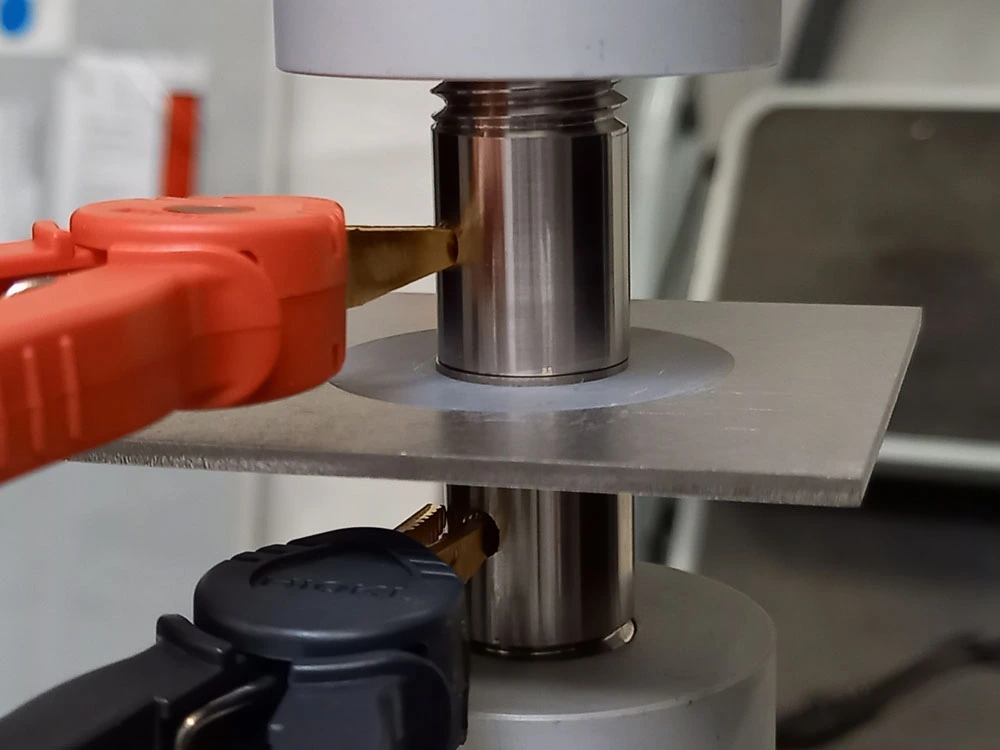
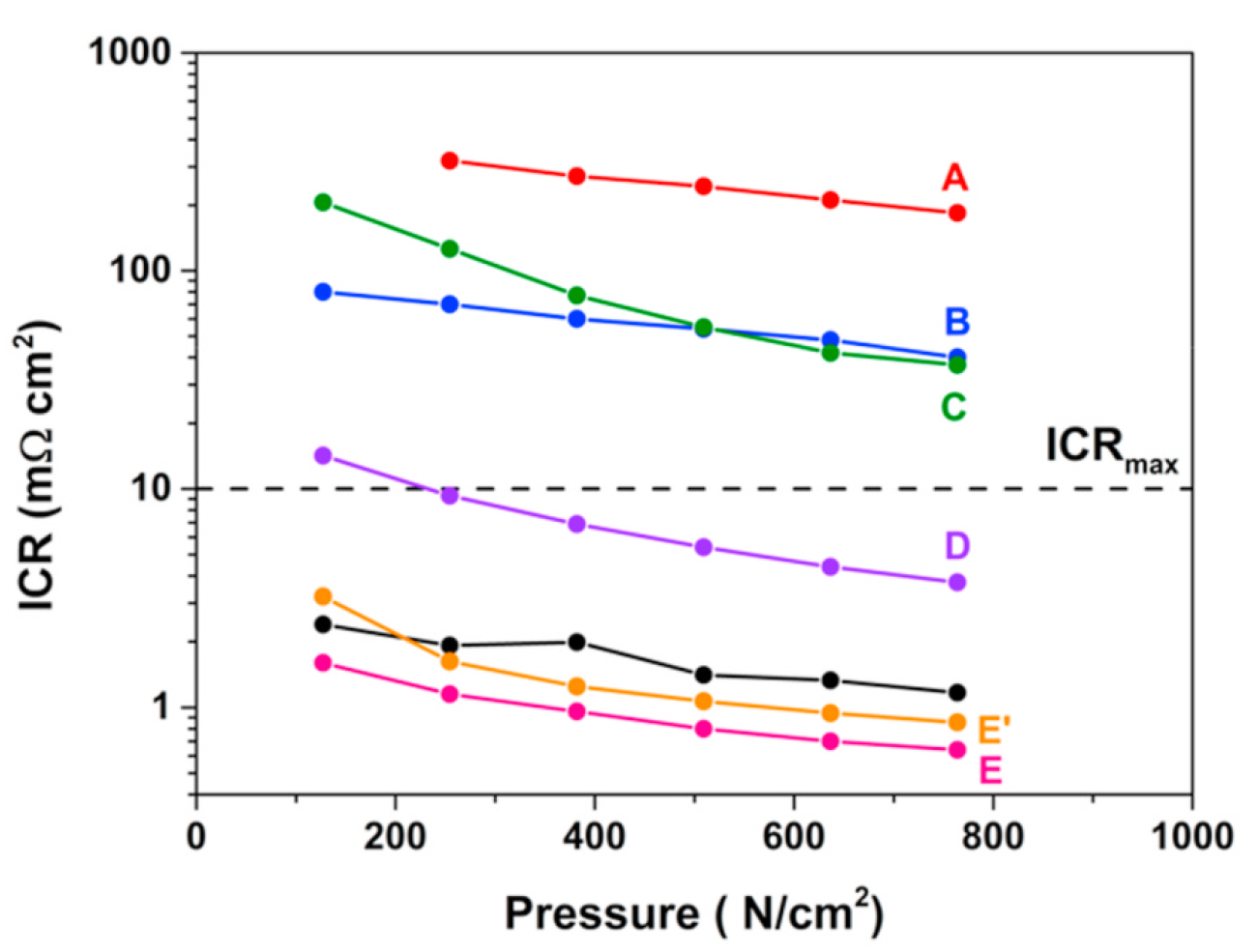
- Study the relationships between coating properties, durability, and interfacial contact resistance (ICR).
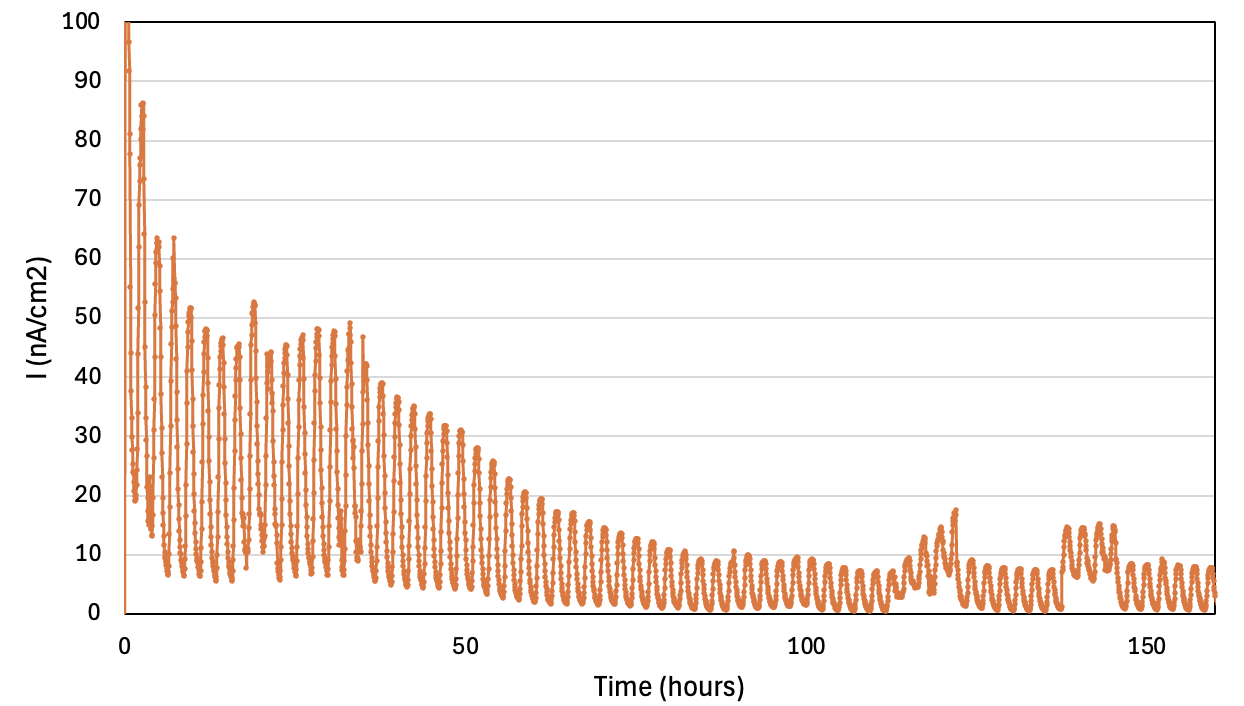
- Contribute to improving electrolyzer durability through long-duration testing (>1000 h).
Our services
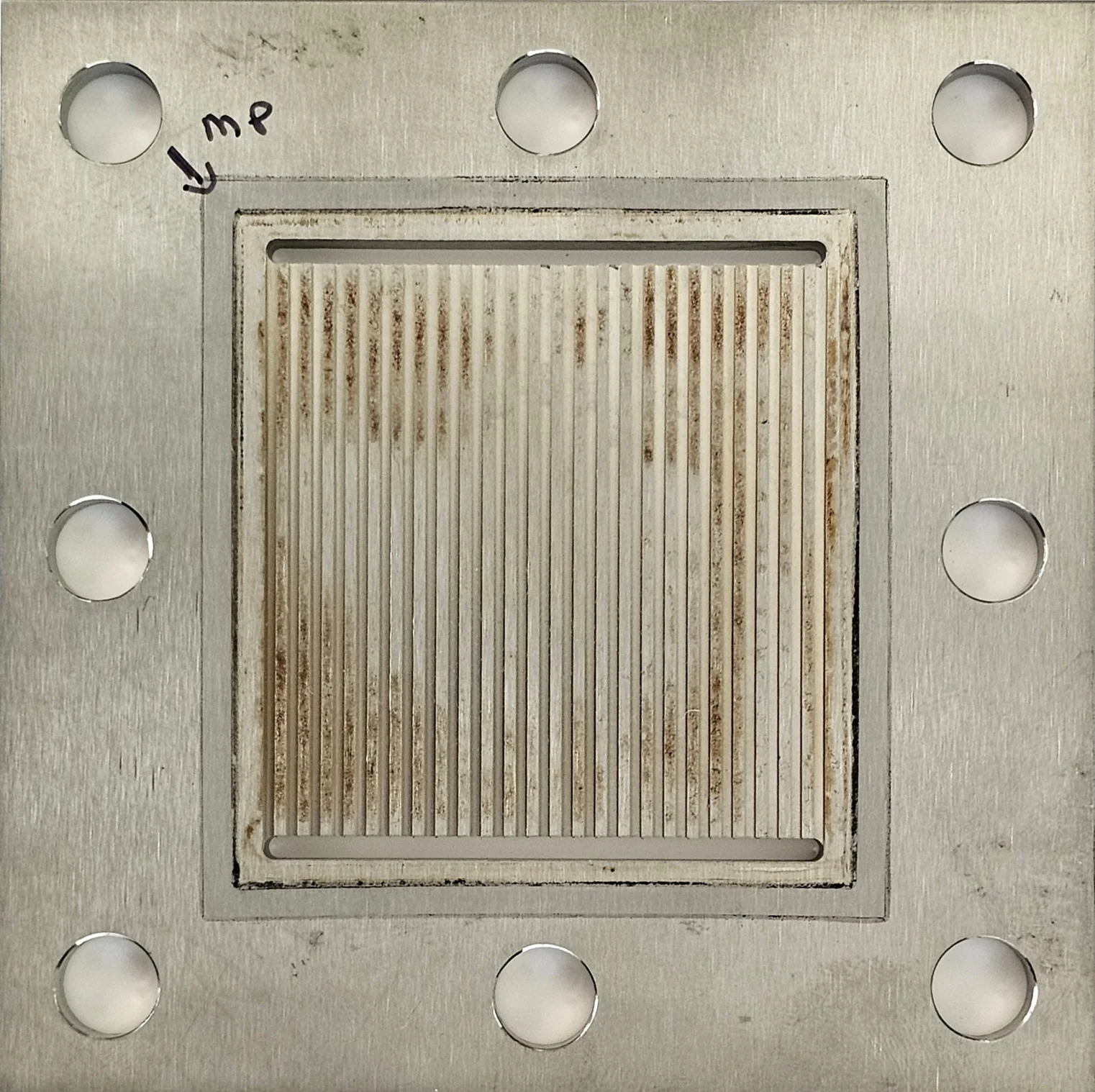
- Ex situ corrosion testing on electrolyzer components: bipolar plates (BPP), porous transport layers (PTL), microporous layers (MPL), anticorrosion coatings, catalysts.
- Long-duration testing (>1,000 hours), accelerated stress tests (AST)
- Electrochemical characterization: polarization curves, chronoamperometry, impedance spectroscopy (EIS), etc.
- Development and evaluation of anticorrosion coatings by electrodeposition and other ambient-pressure techniques
- Measurement of interfacial contact resistance (ICR) of BPPs, PTLs, and their coatings
- Consulting on material selection and surface treatments for electrolyzer components
Contact us : brest@institut-corrosion.fr
Explore our case studies in low-carbon energy and contact our experts
Frequently Asked Questions – Low-Carbon Energy Corrosion Testing
1. What is hydrogen embrittlement and why does it matter for low-carbon energy infrastructure?
Hydrogen embrittlement is the reduction of ductility and load-bearing capacity of metals caused by hydrogen absorption. It poses critical risks to high-pressure hydrogen infrastructure including pipelines, storage vessels, and fuel cell components. Rigorous low-carbon energy corrosion testing per ASTM E1820, ASTM E647 and ASTM F1624 is essential for material qualification. → Learn more about our hydrogen embrittlement testing.
2. Which materials are compatible with high-pressure ammonia in low-carbon energy applications ?
High-strength steels are particularly susceptible to stress corrosion cracking in ammonia. Material compatibility must be assessed under representative conditions of temperature, pressure and ammonia purity. The French Corrosion Institute conducts dedicated low-carbon energy corrosion testing at its Saint-Étienne facility, one of the few in Europe equipped for liquid and gaseous ammonia. → Learn more about our ammonia testing facility
3. How do you test materials for CCUS corrosion applications ?
CCUS environments expose materials to dense or supercritical CO₂, often contaminated with H₂S, SO₂ or moisture. Our low-carbon energy corrosion testing covers immersion tests under pressure, pressurised electrochemistry and stress corrosion cracking evaluation under conditions representative of capture, transport and storage operations. → Contact us for a CCUS testing quote
4. What corrosion tests are available for PEM and AEM electrolyser components ?
We perform ex situ low-carbon energy corrosion testing on bipolar plates, porous transport layers, microporous layers and coatings: polarisation curves, EIS, interfacial contact resistance (ICR) measurements and long-duration tests exceeding 1,000 hours, to assess non-PGM anticorrosion coatings for electrolyser durability. → Contact our electrolyser corrosion experts