Industrial corrosion expertise : diagnostics & analysis
Since 2002, the French Corrosion Institute has delivered industrial corrosion expertise across all industrial sectors. Our team of PhDs, engineers, and technicians is specialized in materials science, metallurgy, chemistry, and electrochemistry. It leverages one of the most comprehensive testing and analysis capabilities in Europe. Our goal: address your challenges in terms of durability, reliability, and regulatory compliance.
Our industrial corrosion expertise : R&D, testing & analysis
Corrosion represents a significant cost for global industry : premature failures, unplanned shutdowns, regulatory non-compliance, and performance losses. In response to these challenges, our teams operate at every stage of the lifecycle of your materials and equipment: from material selection and qualification during the development phase to in-service failure analysis.
Our approach rests on three pillars :
- First: accelerated laboratory testing, to predict long-term material behavior in aggressive environments.
- Second: real-world exposure, combined with corrosivity and climatic measurements.
- Third: advanced characterization, to identify and understand degradation mechanisms at all relevant scales.
This combination of testing and analysis is the key to delivering corrosion expertise that is both practical and actionable for your technical decision-making.
The French Corrosion Institute counts more than 300 publications and 190 R&D reports in corrosion and anticorrosion protection. Its ARCOR network brings together 83 industrial members. Both assets provide a unique body of experience to address the most demanding challenges.
Our corrosion testing and analysis capabilities
Our industrial corrosion expertise relies on one of the most comprehensive testing infrastructures in Europe. It covers all industrial corrosive environments, from atmospheric conditions to the most severe. Each testing program is defined in close collaboration with your technical teams, to match your real operating constraints and the requirements of your clients or regulatory bodies.
Testing in natural seawater and marine environments
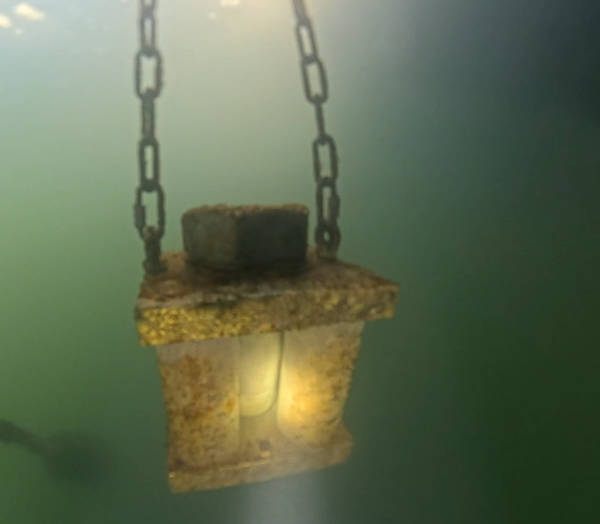
Our two marine test stations are supplied with Atlantic seawater. They enable immersion, tidal zone, and splash zone testing at all scales : from laboratory coupons to full-scale equipment. Environmental parameters (temperature from 4 °C to 90 °C, flow rate, dissolved oxygen, chlorination) are continuously controlled.
Electrochemical monitoring can reach up to 500 channels with remote data acquisition. These facilities cover, in particular, the aging of coatings and elastomers in seawater, cathodic disbondment testing according to ISO 15711 and ISO 21809, as well as full-scale cathodic protection through the deployment of mooring lines.
→ Learn more about our Marine Test Stations and Seawater Laboratory
Corrosion in soils
Our soil laboratory is dedicated to studying the performance of buried pipelines and structures. It enables testing in natural or synthetic soils. Controlled parameters include moisture content, resistivity, chlorides, sulfates, and microbiological activity. Tests notably cover differential aeration corrosion, cathodic disbondment in soils, stray currents, and microbiologically influenced corrosion (MIC). Finite element modeling (COMSOL Multiphysics) complements these tests to simulate current and potential distribution under real conditions.
→ Learn more about our Soil Laboratory
Laboratory accelerated corrosion tests
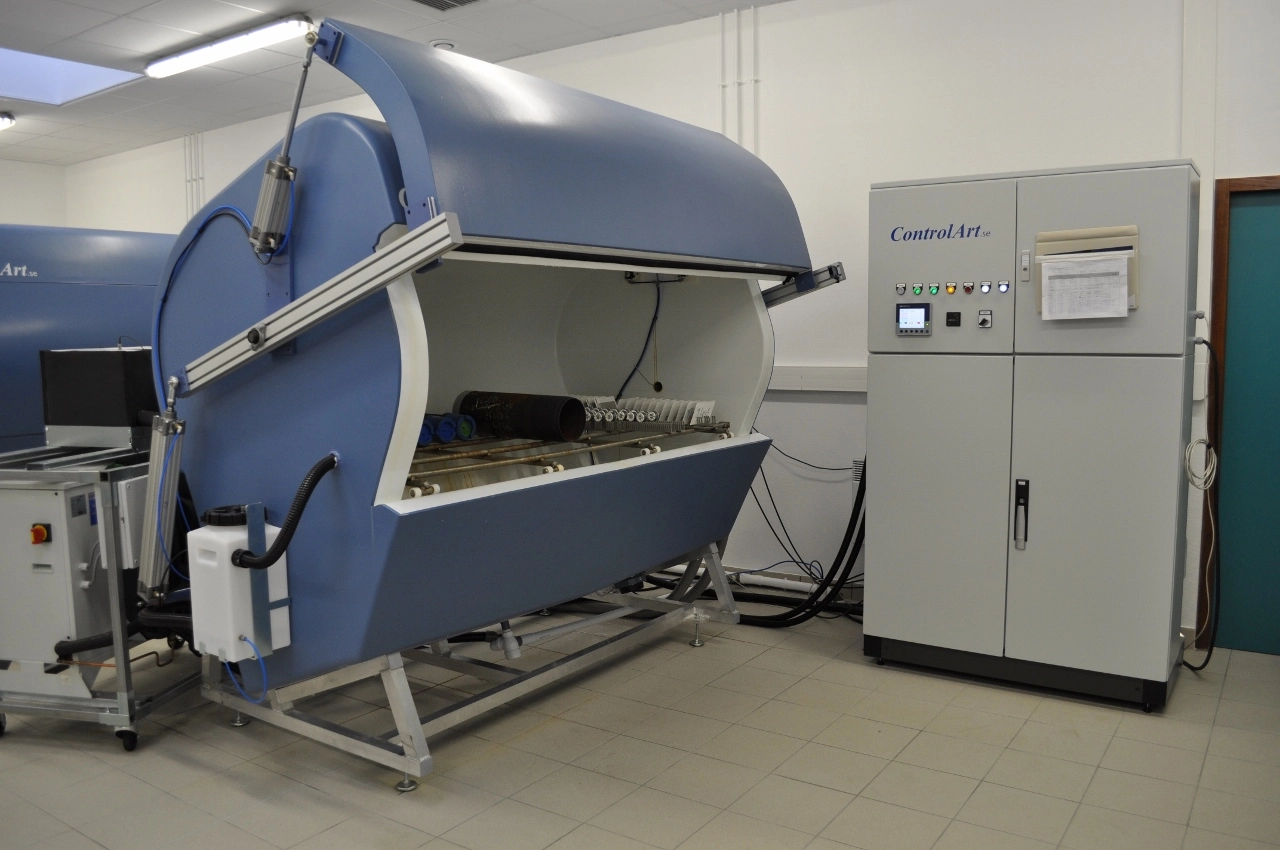
Our fleet of climate chambers covers all standard and custom configurations. Available tests include: cyclic corrosion testing (CCT/ACT) per VDA 233-102, ISO 11997-3, ISO 12944-6/9 and Renault ECC1; neutral or acidic salt spray (NSS/AASS/CASS) per ISO 9227 and ASTM B117; accelerated UV aging per ISO 4892-3 and ASTM G154; combined climatic testing from −40 °C to +180 °C. Our 12,000-liter walk-in chamber enables full-scale testing of large components, complete assemblies, and entire structures.
→ Learn more about our climatic and accelerated corrosion testing chambers
Severe environments: hydrogen, ammonia, H₂S, high pressure, and high temperature
Certain industrial applications (oil & gas, chemicals, and low-carbon energy) expose materials to toxic, explosive, or highly corrosive fluids under extreme pressure and temperature conditions.
Our highly secure facilities qualify your materials in these critical environments: high-pressure hydrogen, liquid ammonia, supercritical CO₂, H₂S and sour service, and high temperatures. These tests assess resistance to stress corrosion cracking (SSC/HIC) and hydrogen embrittlement. They also cover stress corrosion under real service conditions, in accordance with NACE TM0177, NACE TM0284, and ISO 15156.
→ Learn more about our testing in severe environments
Natural exposure: seawater immersion, soil burial, and natural atmospheres
Beyond laboratory testing, the French Corrosion Institute operates a range of exposure sites and systems under natural conditions. The goal: assess the long-term behavior of materials and coatings in real, non-simulated environments. These natural exposure tests provide an essential benchmark for validating correlations with accelerated testing, feeding lifetime prediction models, and meeting the most demanding qualification requirements.
Deep-sea immersion
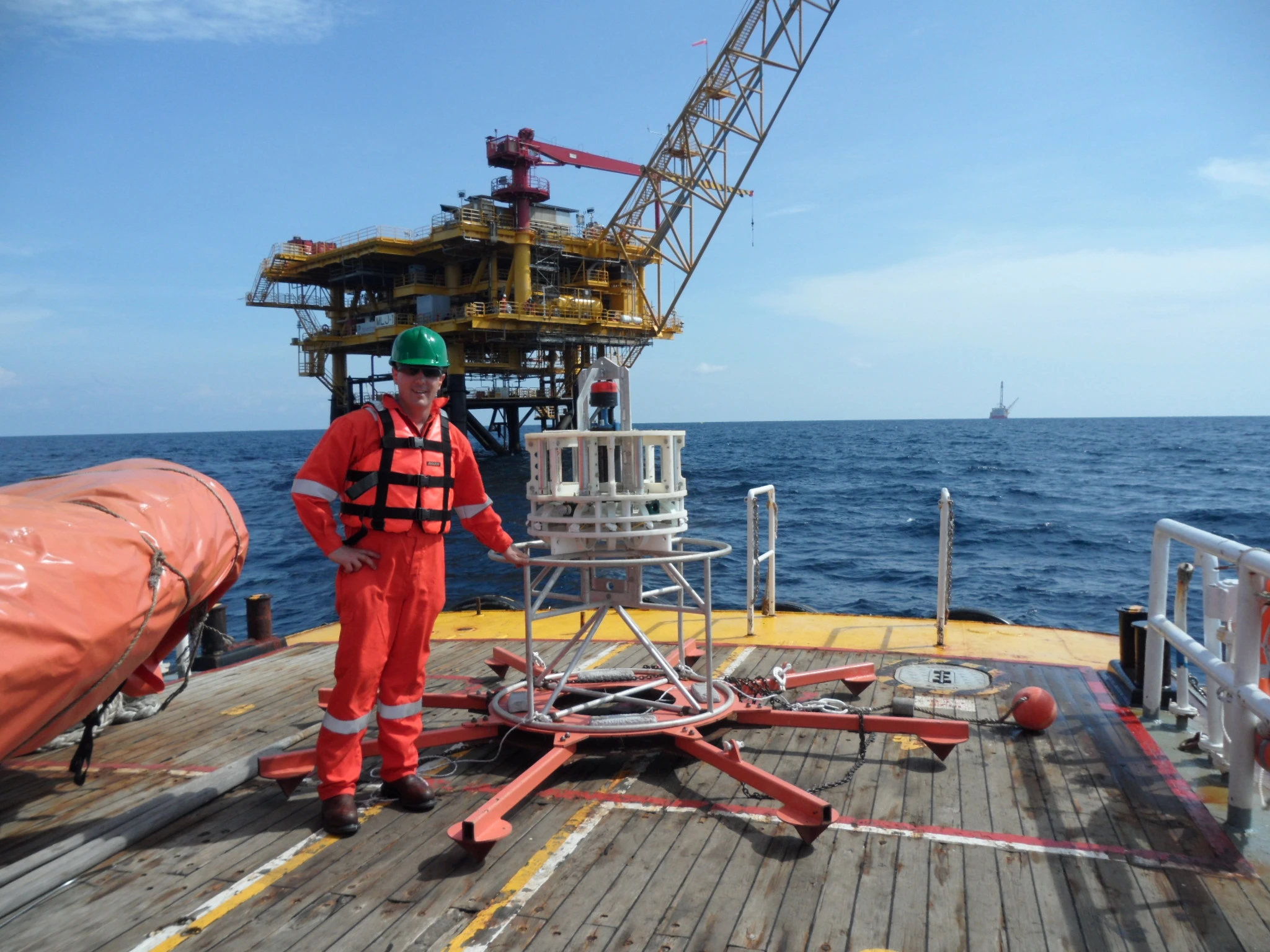
Instrumented mooring lines are deployed in ocean environments at varying depths. They expose test specimens, coating systems, or assemblies to fully immersed corrosion. The conditions reproduced — pressure, temperature, dissolved oxygen, biological activity — are representative of deep-sea environments. These exposures are particularly relevant for offshore applications (pipelines, umbilicals, etc.) and provide critical data for the marine energies of the future.
→ Learn more about our natural seawater exposure capabilities
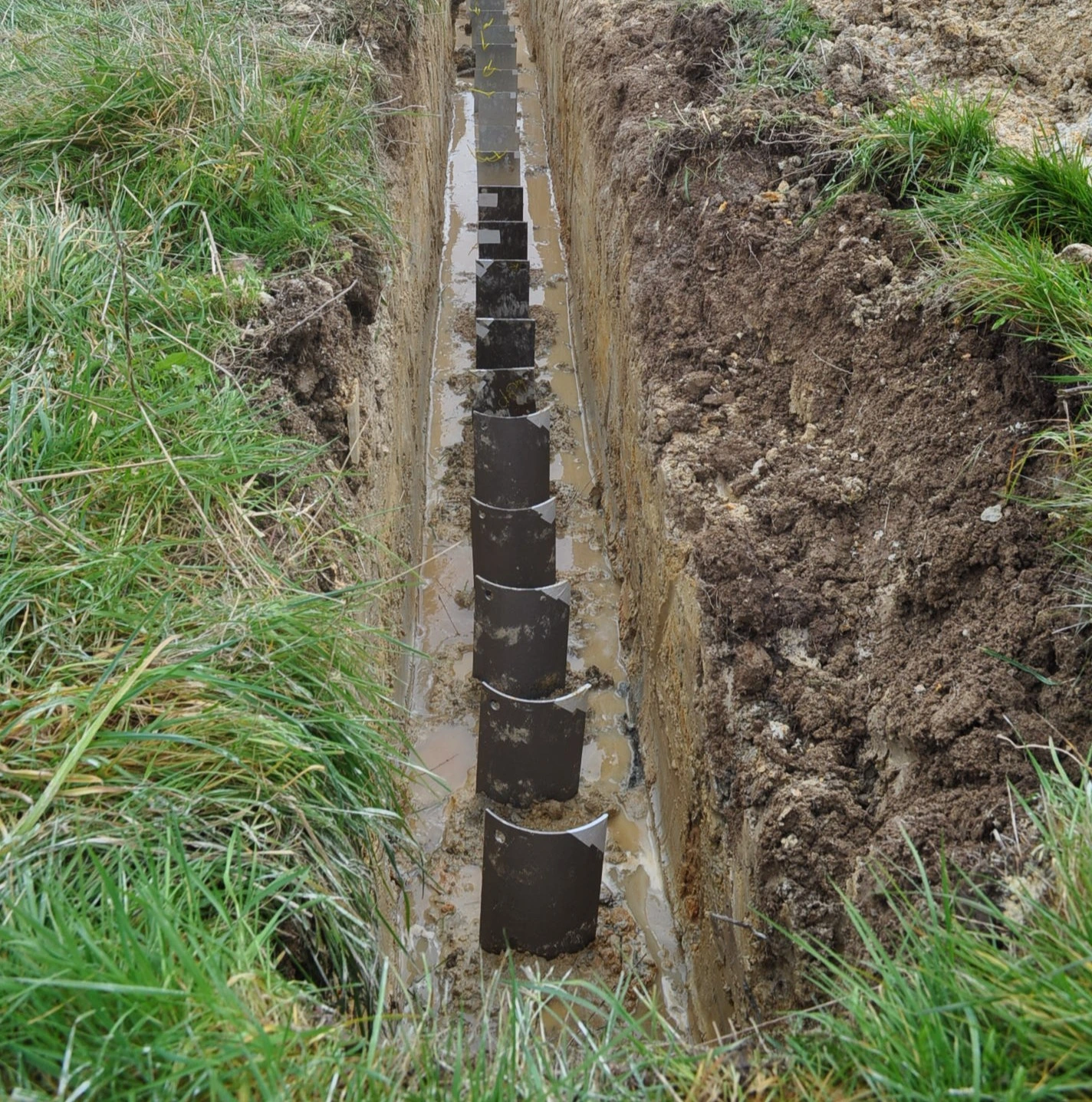
Soil burial
Soil burial sites enable the exposure of materials and coatings under controlled natural soil conditions or representative industrial environments, with in situ monitoring of electrochemical parameters (corrosion potential, corrosion rate, cathodic protection currents). These exposure tests are carried out to qualify the performance of buried pipelines, sacrificial anodes, and cathodic protection systems in terrestrial environments.
→ Learn more about our soil exposure capabilities
Natural exposure under atmospheric conditions
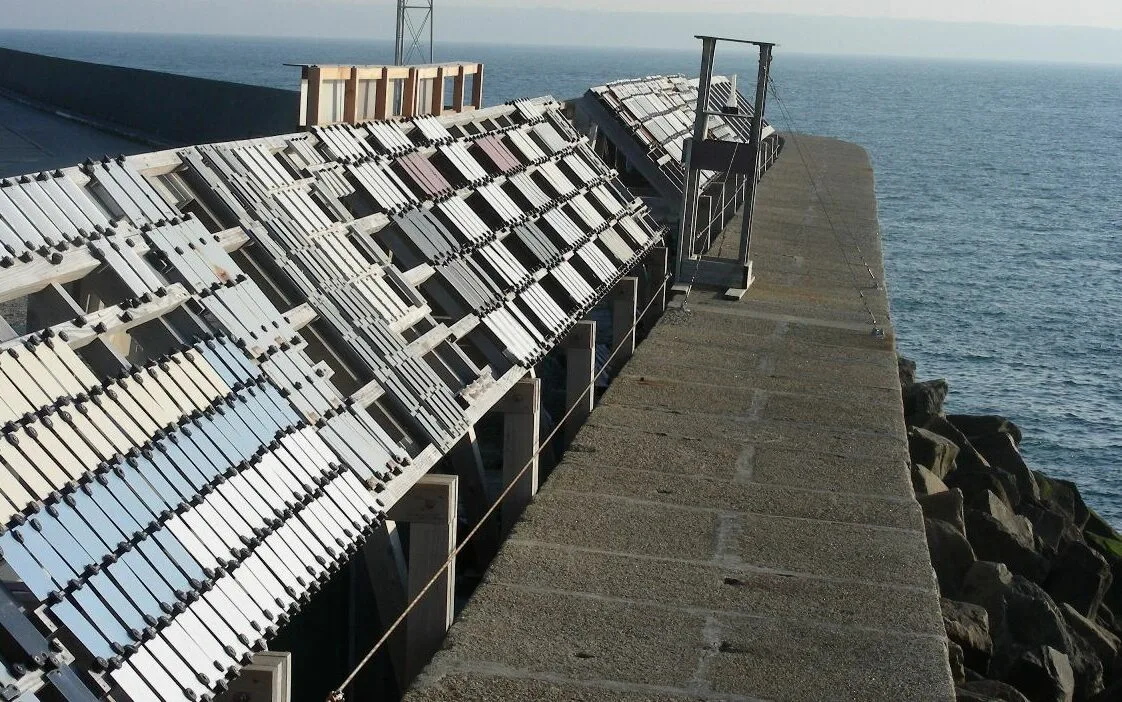
Our atmospheric exposure sites cover all corrosivity categories per ISO 9223, from C2 (rural, low corrosivity) to CX (extreme). The Brest site, in an Atlantic marine environment, offers particularly severe conditions (C4–C5). These exposures qualify anticorrosion coatings per ISO 12944-6. They also build long-term aging databases and validate accelerated test results against real in-service behavior.
→ Learn more about our exposure sites
Advanced characterization: understanding corrosion mechanisms
Identifying the nature and causes of degradation is often just as important as measuring it. Our analytical platform brings together all the equipment required to characterize corrosion and damage at every scale, from surface phenomena to interfaces and internal structures.
Spectroscopy and surface analysis
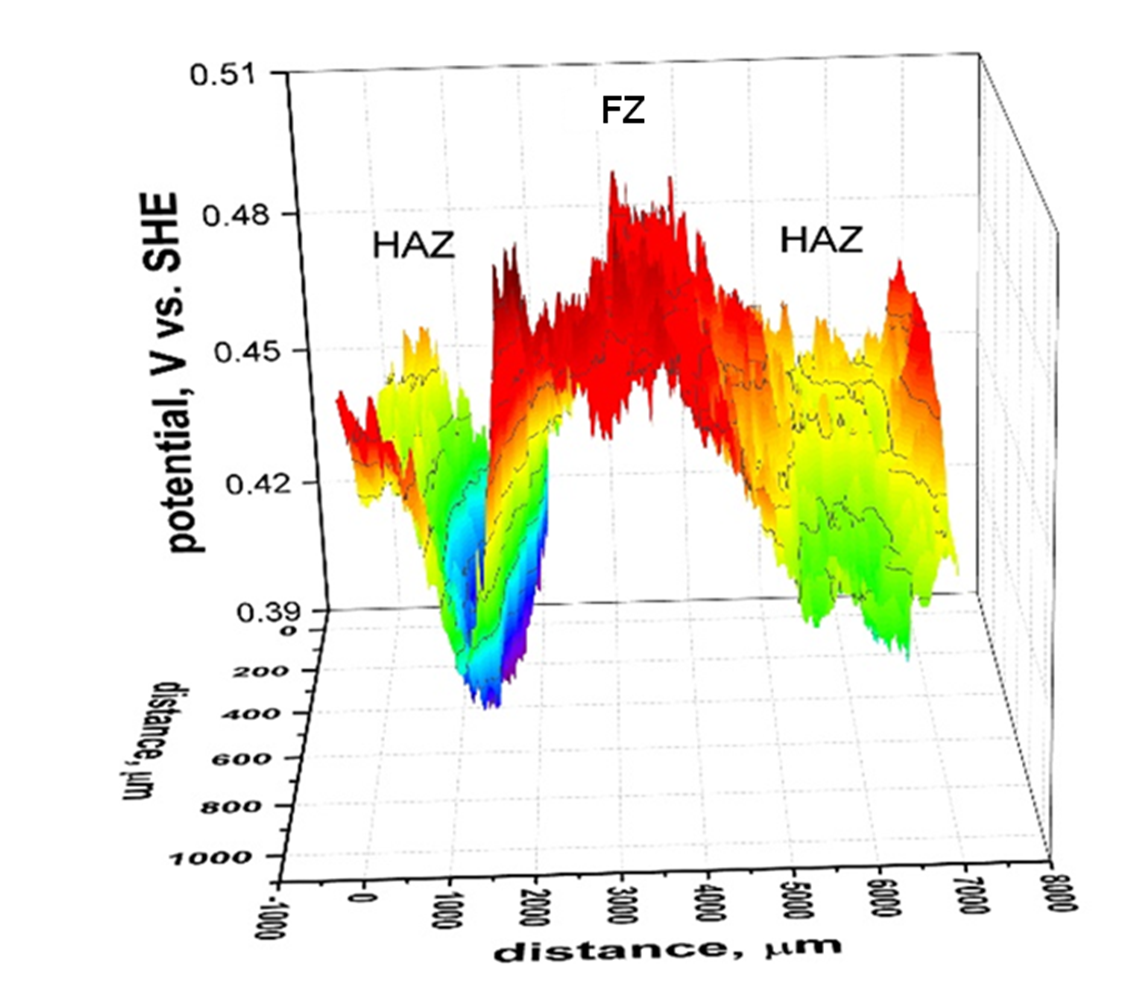
Raman spectroscopy (Xplora Plus) identifies chemical species on surfaces or cross-sections, non-destructively, with 2D mapping. The non-contact interferometric profilometer (Wyko NT1100) provides 3D surface topography and roughness measurements. It also quantifies pitting in terms of depth, volume, and density. The Scanning Kelvin Probe (SKP) maps surface potentials without contact, making it possible to visualize underlying coating delamination and atmospheric corrosion phenomena under thin electrolyte films.
Electrochemical techniques
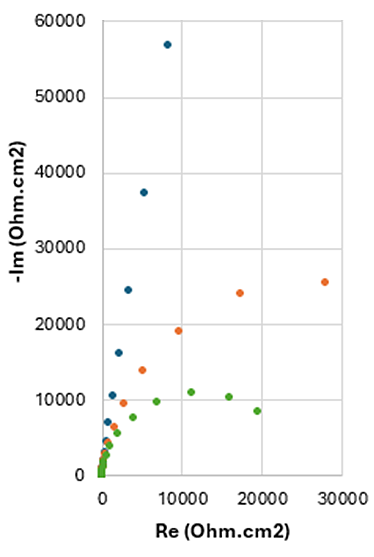
Electrochemical methods are essential for quantifying corrosion kinetics and understanding degradation mechanisms at the interface scale. Our potentiostats and galvanostats cover the full range of techniques: polarization curves, EIS, galvanic coupling, open circuit potential, and cyclic polarization for pitting. Rotating disk (RDE) and rotating cylinder (RCE) electrodes are used to study kinetics under hydrodynamic conditions. The Avesta cell is employed to determine critical pitting and crevice corrosion temperatures of stainless steels and corrosion-resistant alloys (CRA). These tests are conducted both in the laboratory and in natural seawater, soils, or process environments.
→ Discover our full range of characterization tools
Diverse industrial sectors, a shared expertise
Corrosion does not recognize sector boundaries. The French Corrosion Institute supports industry players across a wide range of fields, all facing the need to control material degradation in often aggressive environments :
- The automotive industry, for validating anticorrosion systems in accordance with OEM standards (Renault, Volvo, Scania, etc.) and developing predictive tests and models for coating and metal degradation under service conditions.
- Aerospace, for the evaluation of aluminum alloys, stainless steels, and surface treatments in line with Airbus, Boeing, and military standards.
- The oil and gas industry, for the qualification of materials in high-pressure/high-temperature environments and corrosive media containing acids or H₂S.
- Offshore and onshore infrastructure, for cathodic protection, coating performance, and corrosion fatigue of materials and structures under marine or soil conditions.
- Low-carbon energy sectors, for the qualification of materials in hydrogen, ammonia, supercritical CO₂, nuclear environments, and electrolyzer conditions.
- The chemical and process industries, for assessing material–fluid compatibility and diagnosing corrosion on operating installations.
- The water industry, for biocorrosion (MIC) analysis and qualification of materials in contact with drinking water or effluents.
- The building sector, for the qualification of pre-painted products and façades through natural exposure and accelerated testing.
- The healthcare and medical device sector, for evaluating corrosion resistance of implants and surgical instruments in simulated physiological environments.
→ View all our areas of expertise
Discover some of our flagship studies as well :
Why choose the French Corrosion Institute?
- 24 years of experience in corrosion—find all our references here. Since our establishment in Brest in 2002, corrosion and anticorrosion protection have been the core focus of our activities. This specialization ensures a depth of expertise that a generalist laboratory cannot match.
- A team of specialists. Our 70 employees are PhDs and engineers in materials science, metallurgy, chemistry, and electrochemistry. They are supported by a multidisciplinary technical team responsible for test execution and laboratory analysis. Each project is handled by experts whose academic background and daily work are dedicated to corrosion.
- One of the most comprehensive testing capabilities in Europe. Multi-volume climate chambers, a 12 m³ walk-in chamber, a natural seawater laboratory, high-pressure test rigs, and advanced electrochemical platforms. The French Corrosion Institute offers an infrastructure rarely found within a single private and independent organization.
- Responsiveness and industrial proximity. Our three sites (Brest, Saint-Étienne, Lyon) and our industry-oriented organization enable us to respond quickly to your needs, whether for a one-off test request, a multi-year R&D program, or urgent failure analysis.
- A unique industrial network: ARCOR. The ARCOR association brings together 83 industrial partners around collaborative research projects in corrosion. It provides a unique ecosystem for knowledge sharing, resource pooling, and anticipation of common challenges : accessible to all our partners.
- Certifications and accreditations. Our sites are certified ISO 9001 (Brest since 2013, Saint-Étienne since 2001), ISO 45001 (Saint-Étienne), and MASE (Lyon since 2017). The Brest site also benefits from specific accreditations from automotive and aerospace OEMs.
Let’s discuss your project
Are you facing a corrosion issue, need to qualify a material or coating, planning to launch an anticorrosion R&D program, or responding to a regulatory requirement ? Our experts are available to work with you in defining the most suitable approach : whether it involves standard testing, a tailored protocol, or a research partnership.
F.A.Q – Industrial corrosion expertise
1. What types of materials do you work with ?
We work with the full range of industrial metallic materials: carbon steels, stainless steels, aluminium alloys, copper alloys, titanium alloys, and corrosion-resistant alloys (CRA). We also evaluate the performance of organic coatings, surface treatments, and plastics and composites.
2. Do you offer testing outside standard specifications ?
Yes. We regularly design custom protocols and test rigs to reproduce specific environments that do not correspond to any existing standard: specific industrial fluids, particular thermal cycles, high pressure, gas mixtures, specific flow conditions, multiphase environments. This is one of our core strengths.
3. How do we start a collaboration ?
The first step is a discussion with one of our engineers to define your needs: material or coating type, exposure environment, test objective (development, qualification, failure analysis), and normative constraints. We then propose a tailored test programme, with timelines and pricing. Contact us via the form or directly by phone at one of our three sites.
4. What is the difference between a salt spray test and a cyclic corrosion test ?
Salt spray testing continuously exposes parts to saline contamination. Cyclic corrosion testing alternates wet, dry, and saline phases, reproducing conditions more representative of real in-service ageing. Cyclic tests are generally more relevant for comparing solutions and predicting service life under operating conditions.
5. Do you offer real-time corrosion monitoring solutions?
Yes. Beyond laboratory testing, the French Corrosion Institute develops and deploys custom corrosion sensors for continuous monitoring of your equipment and infrastructure in service. These solutions measure corrosion rates, potentials, and cathodic protection currents in real time, on-site or remotely. → Learn more about our sensors and monitoring solutions
6. Which sectors do you primarily support ?
We work with all industrial sectors facing corrosion challenges. Our application areas include automotive, aerospace, oil and gas, low-carbon energy, offshore and onshore infrastructure, chemical and process industries, water, building, and medical implants.
7. Do you address challenges combining mechanical loading and corrosion ?
Yes. Stress corrosion cracking, corrosion fatigue, and fretting corrosion are critical degradation mechanisms in many industrial sectors. Our teams have dedicated test equipment to study the interaction between mechanical loading and corrosive environments, in particular for offshore structures, medical implants, and assemblies subjected to load cycles in aggressive media. → Learn more about our mechanics and corrosion activities