Aerospace corrosion: testing, expertise and materials qualification
Facing aerospace corrosion or material durability challenges? The French Corrosion Institute supports industry with testing, expertise, and characterisation services. Our goal: qualify materials, secure performance, and meet regulatory requirements. Our teams work alongside R&D, quality, and materials departments throughout the entire lifecycle of aerospace equipment.

Corrosion-related challenges in aerospace industry
In the aerospace sector, corrosion plays a critical role. It accelerates fatigue damage under cyclic loading in aggressive environments, with direct consequences on the safety and lifespan of structures. A major challenge lies in understanding, predicting, and controlling corrosion and corrosion-fatigue mechanisms. These phenomena affect both coated light alloys and complex assemblies. Particular attention is given to the durability of coatings and substrates, especially in the presence of galvanic coupling between high-strength aluminium alloys, stainless steels, titanium alloys, and composite materials.
The French Corrosion Institute leverages state-of-the-art experimental facilities and long-established expertise in aerospace materials. Our teams deliver tailor-made testing programmes, in-depth failure analyses, and scientific support for design validation and long-term structural integrity.
Our missions for the aerospace industry
The French Corrosion Institute addresses the most demanding challenges of the aerospace sector, where corrosion threatens structural integrity and airworthiness. Our missions cover the full spectrum: from understanding degradation mechanisms to qualifying protection systems compliant with REACH requirements and applicable aerospace standards.
Working alongside R&D, quality, and materials teams, we develop tailored testing protocols. Our objective: contribute to corrosion risk management throughout the entire lifecycle of aerospace structures and equipment.
- Develop accelerated tests specifically designed for the aerospace sector and representative of service conditions.
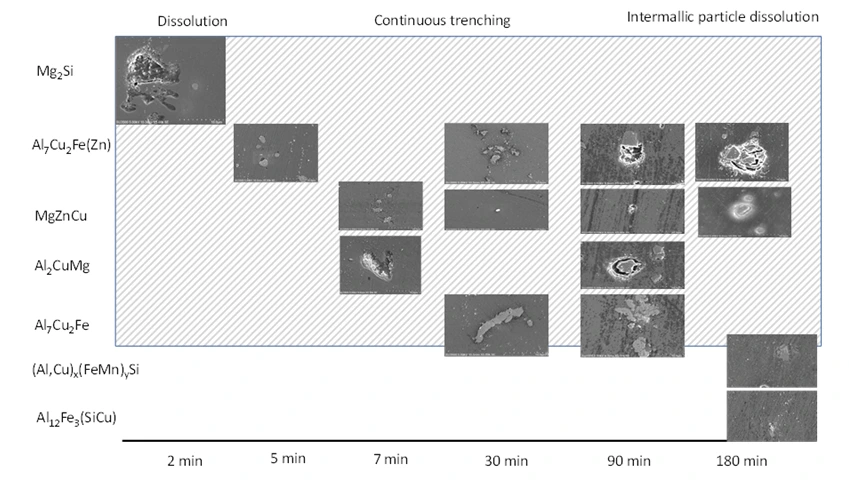
- Gain a better understanding of corrosion mechanisms affecting materials and assemblies used in aerospace.
- Assess the performance of environmentally friendly protection systems (e.g. REACH-compliant coatings).
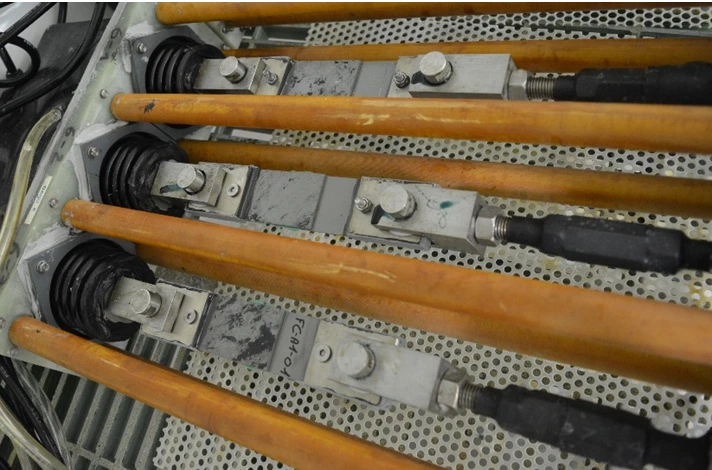
- Study the combined effects of corrosion and fatigue on aerospace structures and assemblies (riveting, bonding, bolting, etc.).
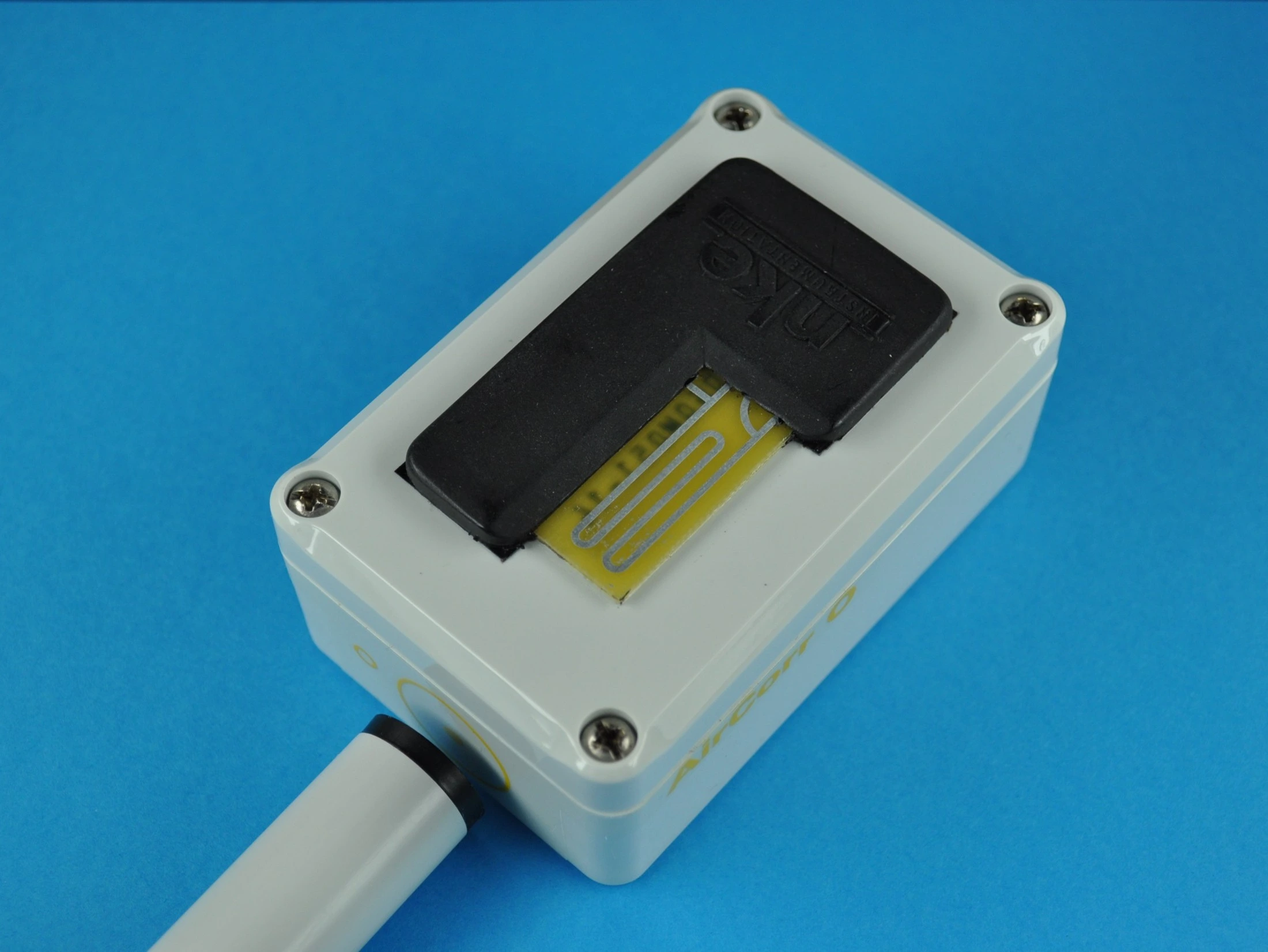
- Provide real-time corrosion monitoring solutions (sensors) and environmental parameter tracking for in-service structures and components.
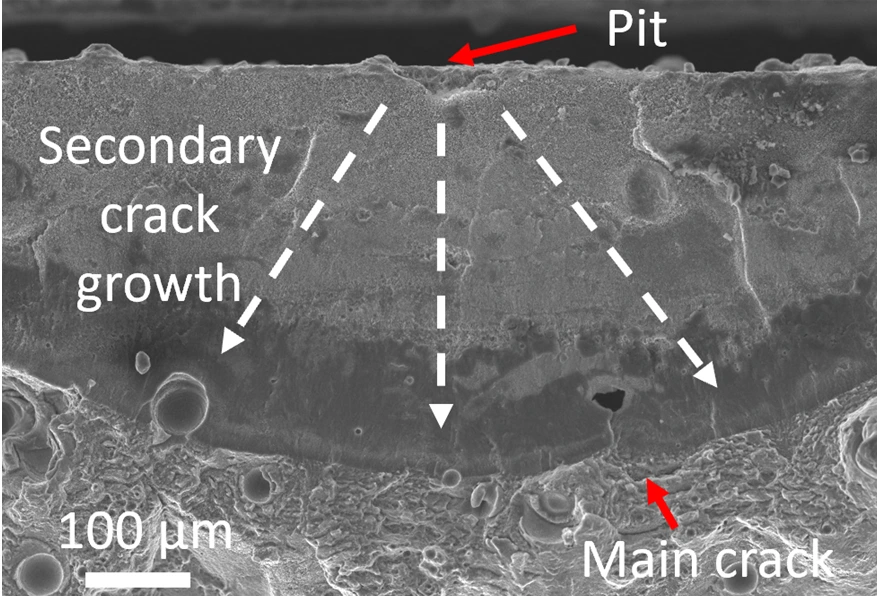
Our testing and expertise services for the aerospace industry
From laboratory testing to natural exposure at marine test stations, our services cover the entire aerospace corrosion assessment chain. We provide state-of-the-art equipment: cyclic test chambers, corrosion-fatigue rigs, and real-time sensors.
Our expertise is multidisciplinary: electrochemistry, materials mechanics, and advanced characterisation. Each service is tailored to your regulatory requirements (ASTM, VDA, OEM standards) and can be part of a collaborative programme or a one-off expert assessment.
- Consulting and technical expertise: material selection, failure analysis
- Laboratory corrosion testing in accordance with aerospace standards, including those developed by the French Corrosion Institute
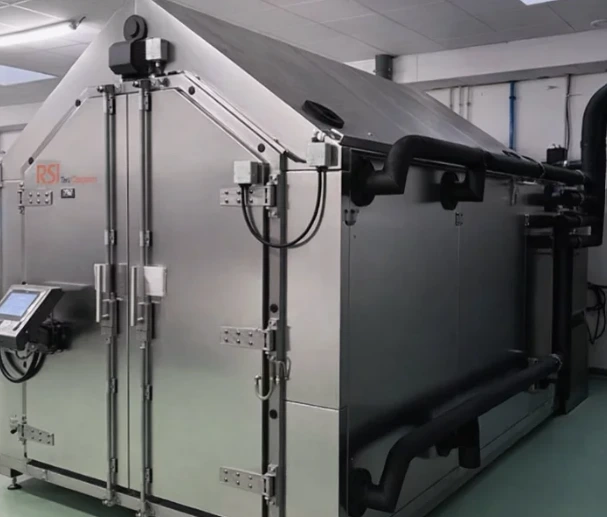
- Salt spray testing, accelerated aging, corrosion fatigue
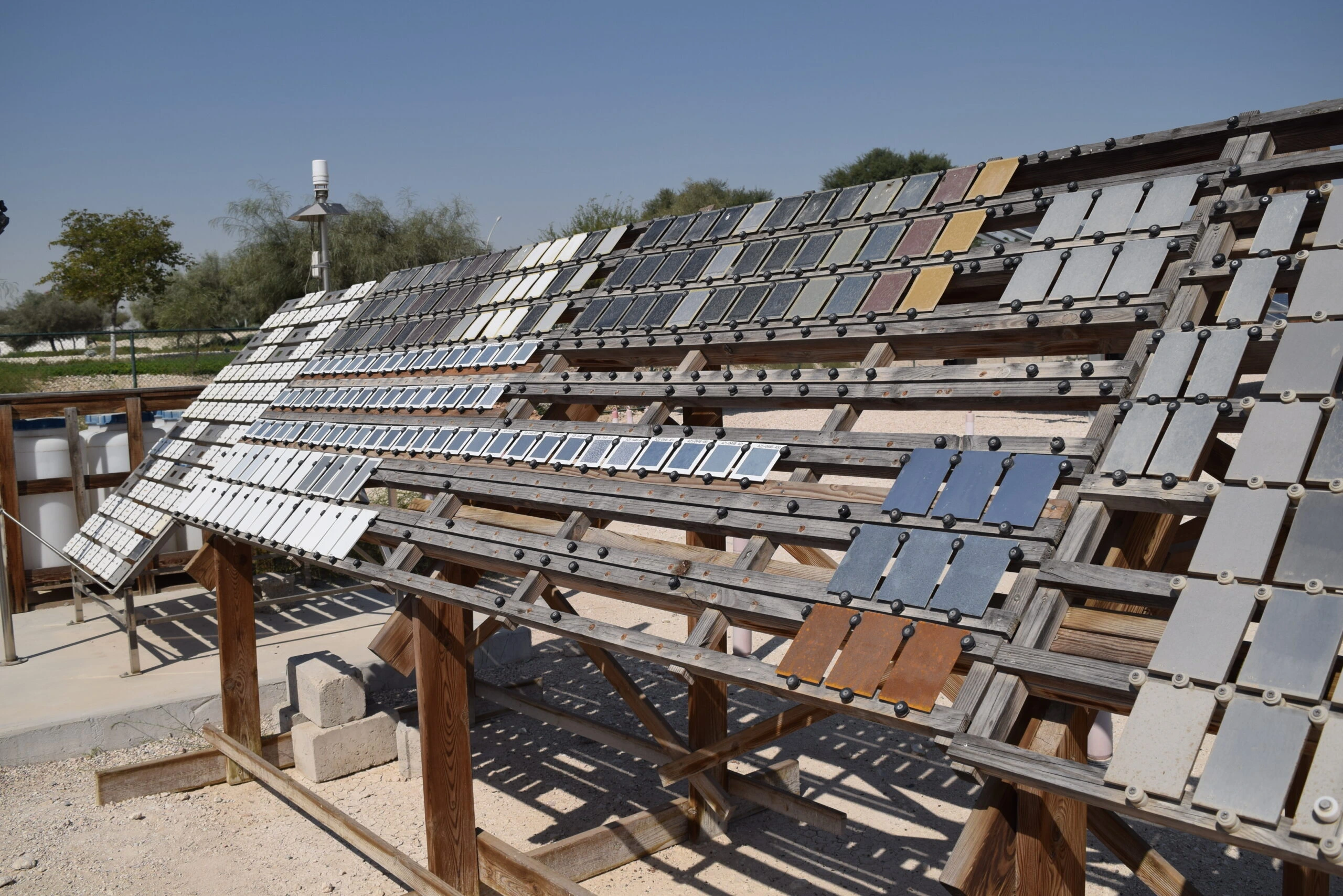
- Field testing under real conditions: global marine atmospheric exposure stations
- On-site corrosion monitoring solutions: Al-Cu and 6xxx, 7xxx aluminium alloy sensors. Real-time measurements: corrosion potential, humidity, temperature, and galvanic coupling currents.
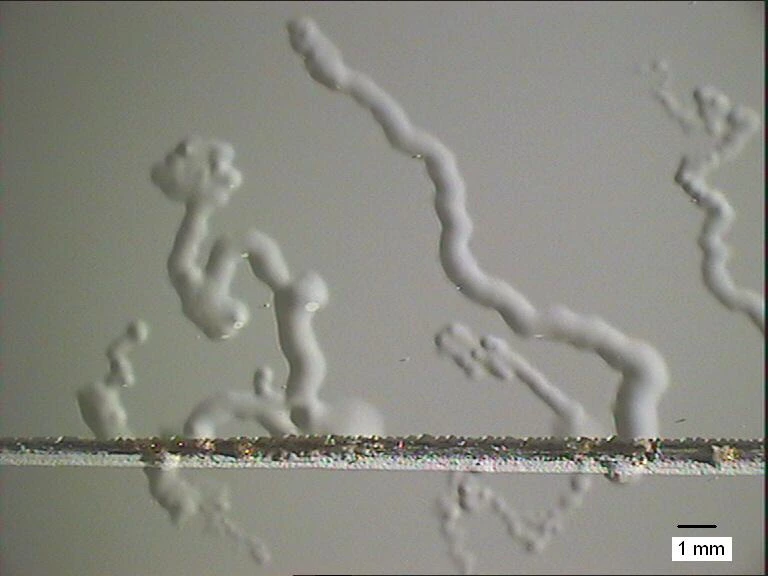
- Advanced characterization: filiform scanner, electrochemistry, SKP, Raman spectroscopy, SEM, hydrogen analysis
Activities of the MRC “Corrosion in aerospace industry”
Context and industrial partners
Within the ARCOR association, the French Corrosion Institute conducts collaborative projects with major aerospace industry stakeholders. Committee members include: Airbus Operations, Airbus Helicopters, Airbus Defense and Space, Boeing, AkzoNobel, Socomore, SAAB, Henkel, Safran Tech, PPG Aerospace, Liebherr Aerospace, DGA, and Constellium.
Development of a representative accelerated corrosion test
The main objective of the committee is to develop a robust and reliable accelerated corrosion test adapted to aerospace service conditions. In this study, results from various accelerated tests (ASTM B117, VDA 233-102, Volvo STD 423-0014) are compared with newly developed testing conditions. Several parameters were tested: salt concentration, wetting time, and relative humidity. Results obtained on eight aluminium alloys (2xxx and 7xxx series, as well as Al-Li alloys) were then compared with exposures at marine test stations.
Would you like to learn more about our services? Contact one of our experts.
Contact us : brest@institut-corrosion.fr
More information on our test capacities and services for the aerospace industry
Our capacities for accelerated corrosion testing
Our capacities for mechanical corrosion testing
Corrosion monitoring with sensors
Our exposure sites under natural conditions
F.A.Q – Aerospace corrosion
1. What accelerated corrosion tests do you carry out for the aerospace sector ?
We carry out accelerated corrosion tests tailored to aerospace requirements: salt spray (ASTM B117) and cyclic humidity/drying tests (VDA 233-102, Volvo STD 423-0014). Specific protocols have also been developed within the ARCOR Aerospace MRC, in collaboration with Airbus, Boeing, and sector suppliers. These tests evaluate the durability of aluminium alloys (2xxx, 7xxx, Al-Li series) and their coating systems. → Contact us
2. How do you assess corrosion fatigue on aerospace structures ?
Our corrosion-fatigue test rigs are used to study the combined effects of cyclic loading and corrosive environments on aerospace assemblies (riveted, bonded, bolted). We assess crack initiation and propagation in light alloys used in primary and secondary structures. → Learn more about our mechanical corrosion capabilities
3. What types of corrosion affect aerospace aluminium alloys ?
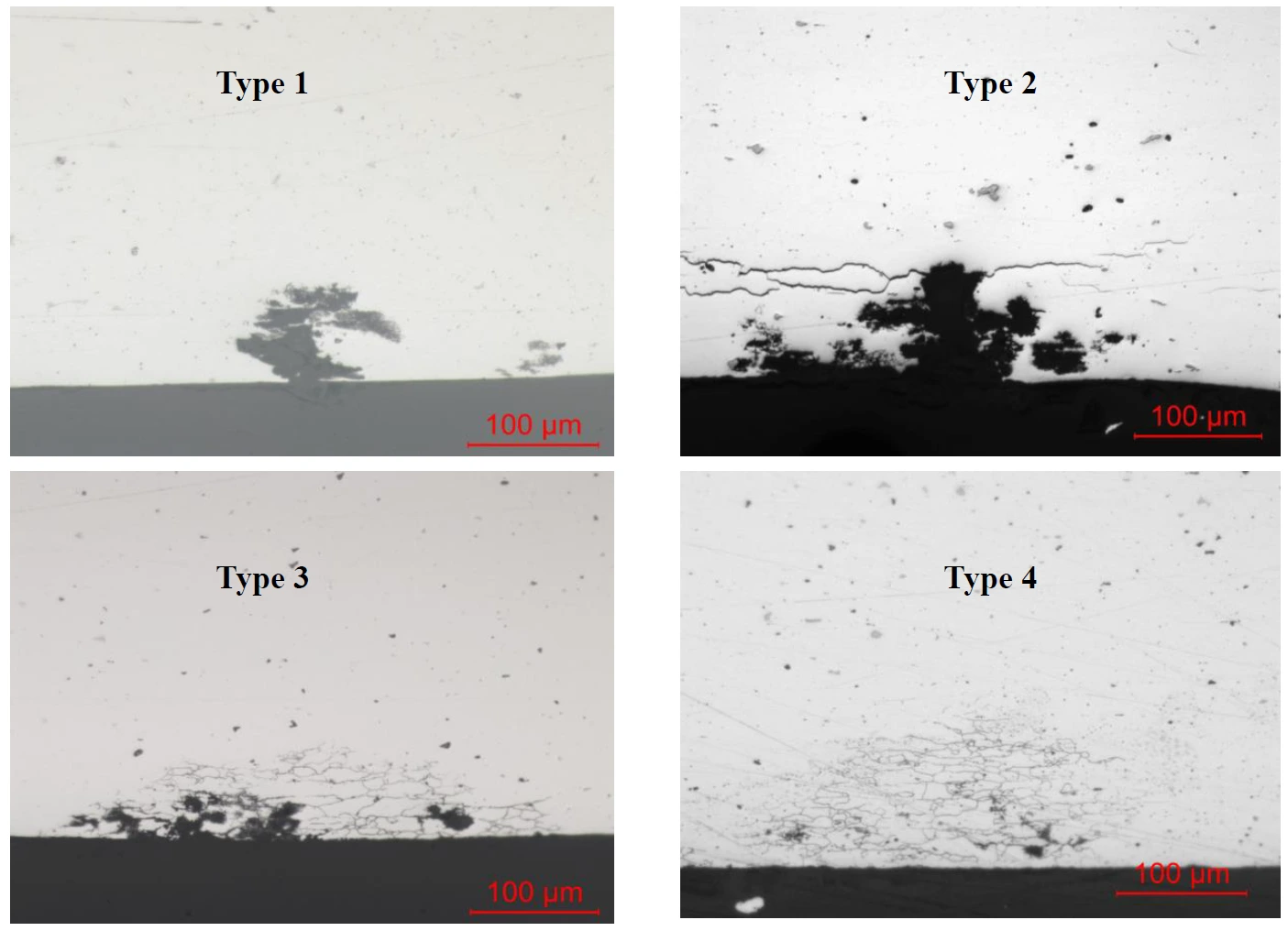
The main aerospace corrosion mechanisms are pitting, intergranular corrosion, filiform corrosion under coatings, and galvanic corrosion. These phenomena occur particularly at multi-material interfaces (aluminium / titanium / composite). The French Corrosion Institute uses advanced characterisation techniques (SKP, filiform scanner, SEM, Raman) to identify and quantify each mechanism. → Learn more about characterisation tools
4. Do you offer testing compliant with REACH requirements for aerospace coatings ?
Yes. REACH regulations require the transition to chromate VI-free coatings. We evaluate the protective performance of new environmentally friendly coating systems on aerospace aluminium alloys. This work is carried out within the ARCOR MRC, in collaboration with AkzoNobel, Socomore, PPG Aerospace, and Henkel. → Learn more about the ARCOR association