Offshore corrosion: testing, cathodic protection and monitoring
The French Corrosion Institute is the leading laboratory in Europe for marine corrosion testing. We support oil operators, offshore wind developers, and manufacturers of subsea structures. Our expertise covers material qualification, cathodic protection design, and in-service monitoring – for platforms, jackets, monopiles, risers, and subsea pipelines.
Durability of materials under offshore conditions
Structures immersed or exposed in marine environments face a particularly aggressive environment: chlorides, tidal zones, biofilm, galvanic currents, and mechanical fatigue. Protecting offshore infrastructure from corrosion is a strategic issue – economic as much as environmental. The French Corrosion Institute provides end-to-end expertise, from design to in-service monitoring.
Our missions
- Assess corrosion resistance of materials under natural or simulated marine conditions.
- Develop and adapt protection methods: coatings, cathodic protection, innovative materials.
- Support industry in the design and monitoring of cathodic protection systems.
- Ensure real-time monitoring of corrosion and environmental parameters for offshore infrastructure.
Our services
- Participation in collaborative projects and European R&D programs
- Consulting and technical assistance: material selection, cathodic protection design and monitoring according to DNV-RP-B401, failure analysis
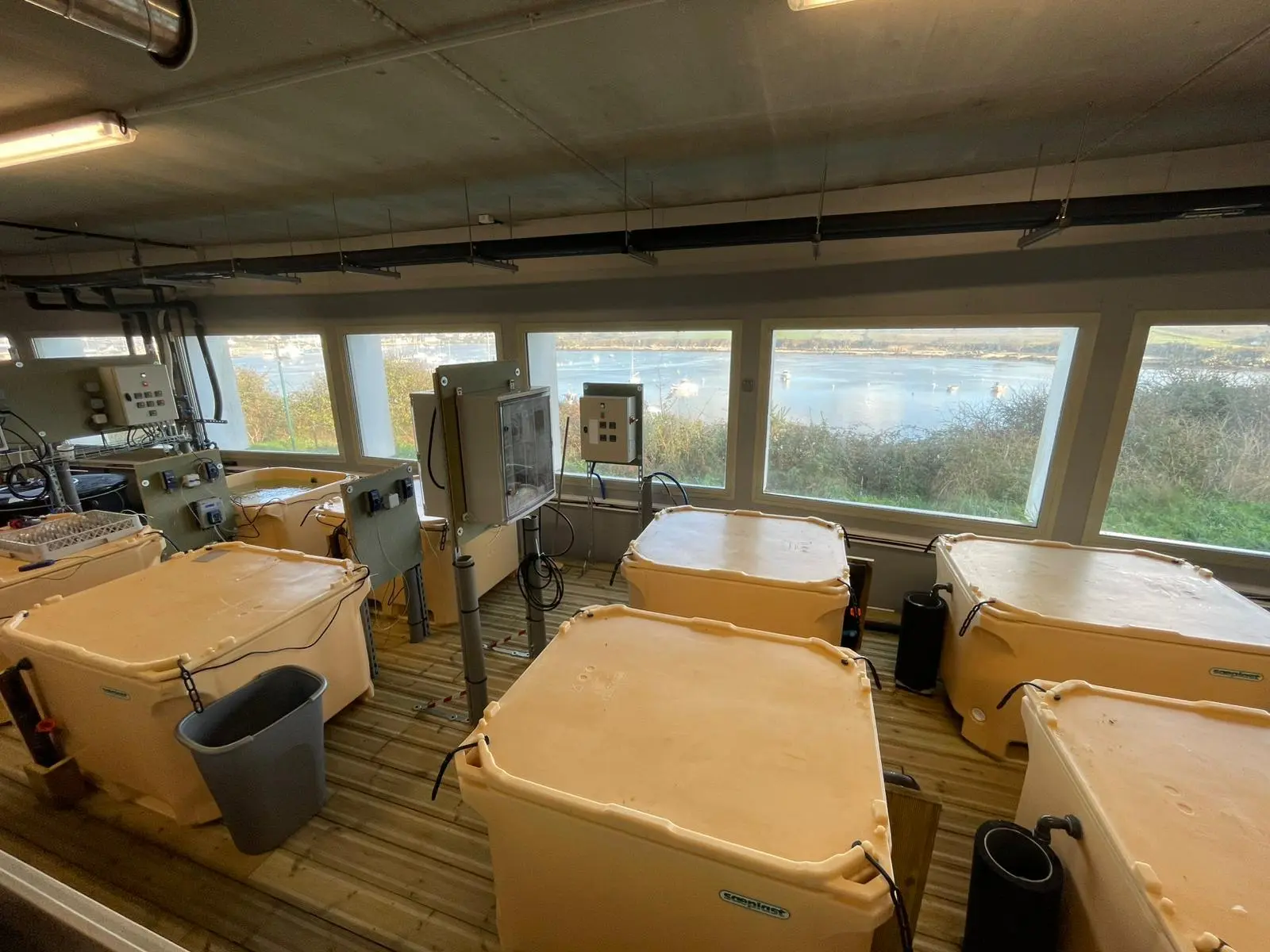
- Corrosion and cathodic protection testing in natural seawater (from laboratory scale to full-scale testing)
- Aging of coatings and elastomers in natural seawater
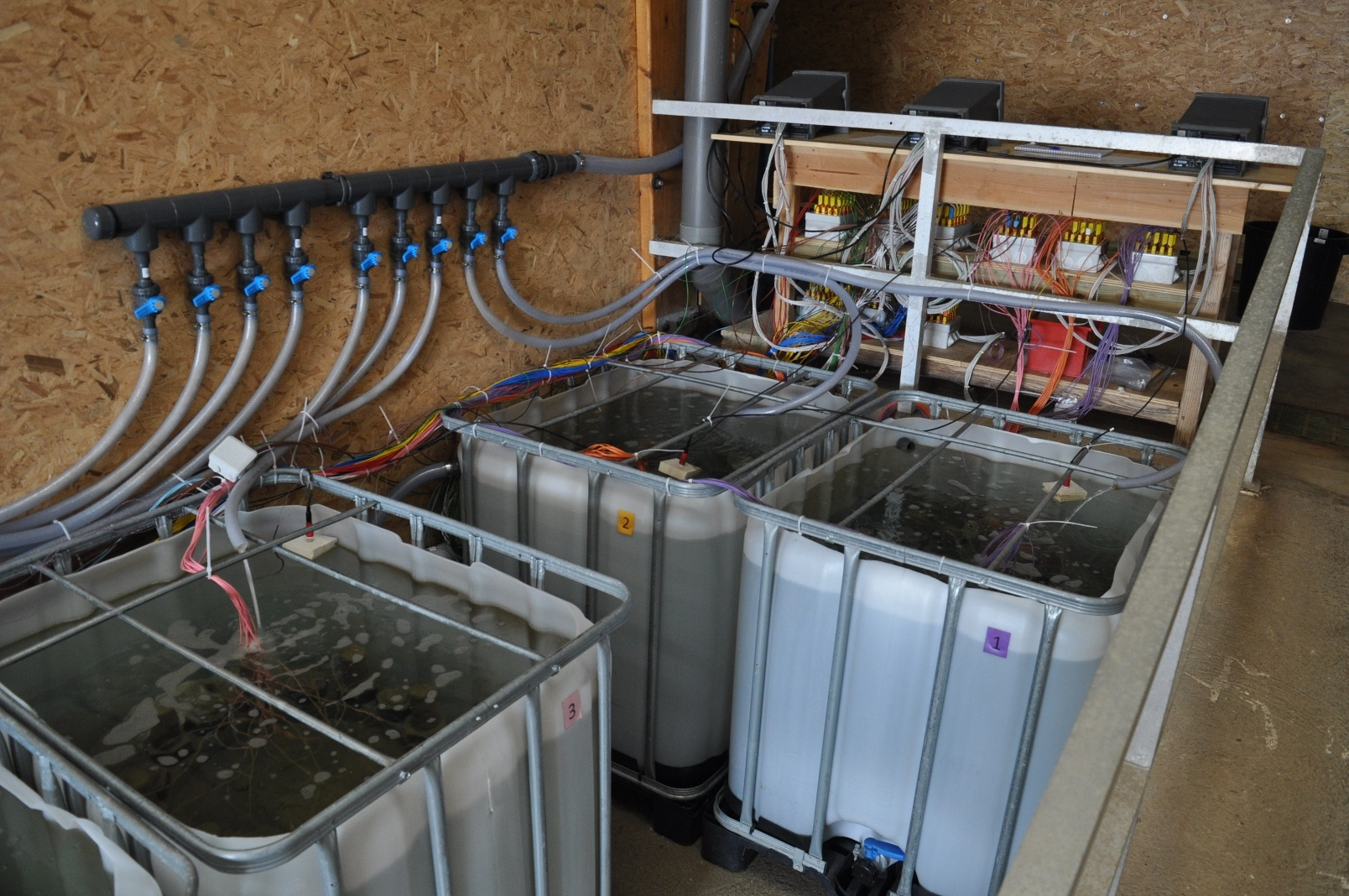
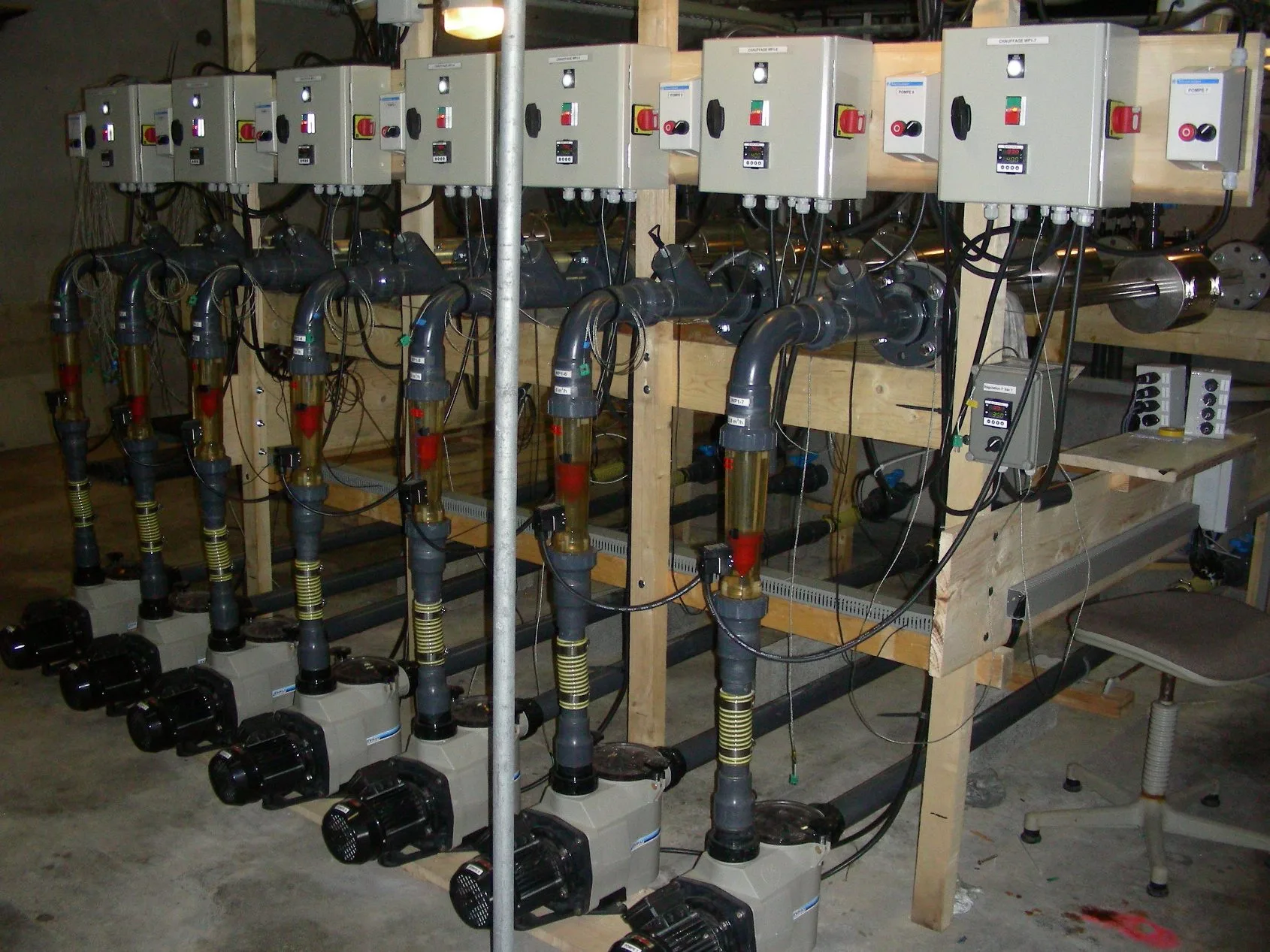
- Provision of real-time corrosion and environmental monitoring solutions: open circuit potential, galvanic currents, temperature, dissolved oxygen, pH, chlorine — up to 500 simultaneous channels with remote data acquisition. Autonomous systems for collecting corrosivity data in seas worldwide
- Training in marine corrosion and cathodic protection, preparation for ISO 15257 certification exams (levels 1 to 4) → our cathodic protection training programs
For a detailed overview of our testing capabilities for the offshore sector, please visit our Marine Test Stations and Seawater Laboratory page.
3 technical committees dedicated to the offshore and maritime industries
Activities of MRC “Marine Corrosion”
Within the ARCOR association, the French Corrosion Institute conducts collaborative projects for the offshore sector with key stakeholders : Volvo Penta AB, Industeel (ArcelorMittal), Alleima, National Oilwell Varco, Aker Solutions / OneSubsea, Outokumpu Stainless AB, Aker BP, Petrobras, Aperam, Saipem, DGA, TechnipFMC, EDF, TotalEnergies One Tech, Equinor, Vallourec, Grundfos Holding, voestalpine Böhler Edelstahl, and Harbour Energy.
The Marine Corrosion MRC aims to improve the reliability of materials in severe marine environments. It combines fundamental understanding, representative testing, and field validation. The goal: enhance material selection, reduce localized corrosion risks, and support emerging offshore applications – renewable energy, aquaculture, CCUS.
Activities of MRC “Paint and lining for steels”
Another committee dedicated to anti-corrosion coatings and paints for steel in offshore applications (C5/CX) brings together key stakeholders: Volvo Penta AB, Nof Metal Coatings, AkzoNobel, Orano TN, DGA, Peintures Maestria, EDF, TotalEnergies One Tech, and Thales Group.
This MRC aims to improve the durability and performance of anticorrosion coating systems. It integrates more environmentally friendly solutions suited to severe environments. Advanced testing and field feedback enable the development of reliable, multi-coat systems meeting offshore, energy, and infrastructure requirements.
Activities of the MRC “Naval paints”
Bringing together stakeholders from the naval industry, this committee focuses on the protection of naval structures through coatings, with an emphasis on their durability and performance under service conditions, while meeting both civil and military requirements.
Would you like to learn more about our services?
Contact us : brest@institut-corrosion.fr
F.A.Q
1. What types of corrosion affect offshore infrastructure ?
Offshore structures are primarily exposed to pitting and crevice corrosion in immersed zones, galvanic corrosion between dissimilar materials, and corrosion-fatigue under mechanical cycling. The tidal zone is the most aggressive area: alternating air and water exposure, biofilm, and deposits all accelerate degradation. → Contact us
2. How does cathodic protection work for marine structures ?
Cathodic protection applies a sufficiently negative electrical potential to the structure to stop anodic metal dissolution. It can be achieved through sacrificial anodes (zinc or aluminium alloys) or impressed current. The French Corrosion Institute supports the design, sizing, and monitoring of these systems in accordance with EN ISO 15589 and DNV standards. → Our cathodic protection expertise
3. Do you offer corrosion testing in natural seawater ?
Yes. Our Lampaul-Plouarzel marine test station and our Brest laboratory enable immersion testing in natural seawater, from laboratory coupons to full-scale trials. We also perform aging of coatings and elastomers, and deploy in-situ monitoring systems. → Discover our seawater laboratory
4. Can you monitor the corrosion of our equipment in real time ?
Yes. We provide sensor solutions measuring open circuit potential, galvanic currents, temperature, dissolved oxygen, pH, and chlorine – up to 500 simultaneous channels with remote data acquisition. Our autonomous systems collect corrosivity data in seas worldwide. → Contact us