Marine stations and Seawater Laboratory
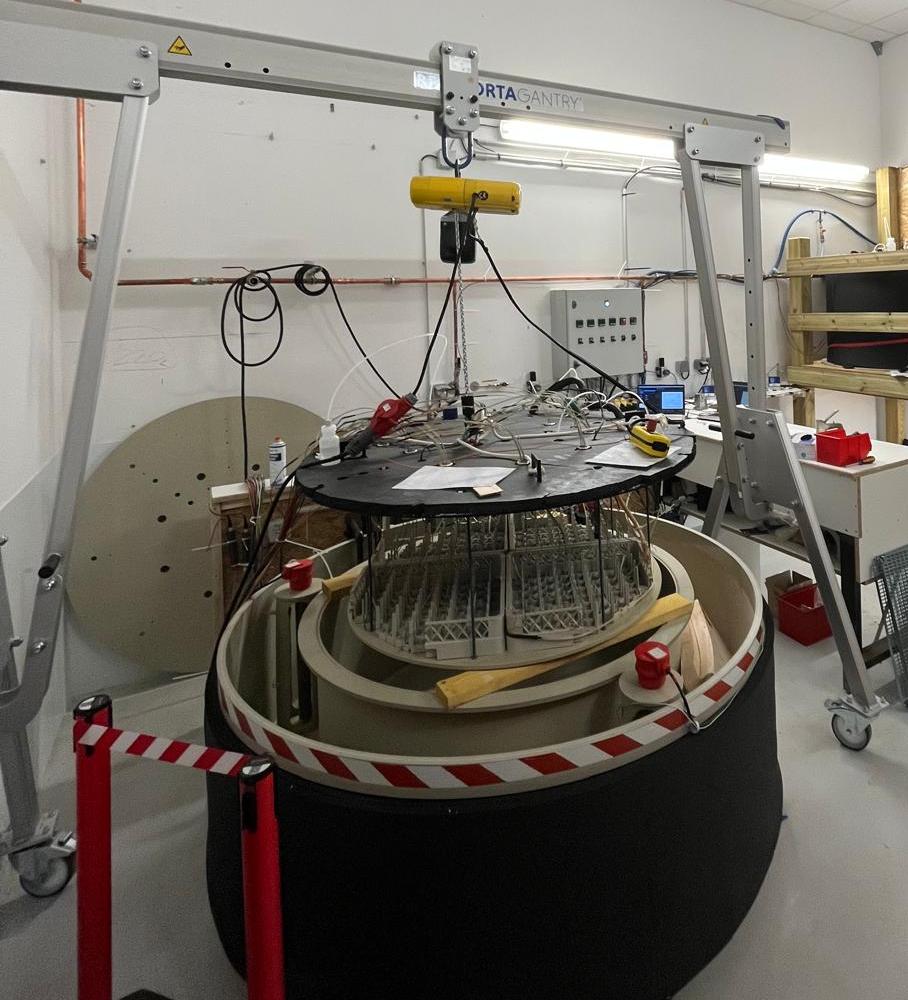
Our laboratories make it possible to carry out tests in natural seawater under perfectly controlled conditions. Marine materials and equipment can be tested in seawater regulated between 4 °C and 90 °C, with the possibility of specific treatments (chlorination, deaeration, pollution, etc.).
We also offer a complete, self-contained system for acquiring corrosivity data for the world’s seas, gathering information essential to the corrosion protection of offshore infrastructure and equipment.
Thanks to the flexibility of our facilities, it is possible to expose any type of marine application at various scales: heat exchangers, umbilicals, connectors, full chlorination units, pumps, and much more.
From laboratory equipment to large-scale natural seawater testing at our Atlantic stations, we offer unique testing capabilities:
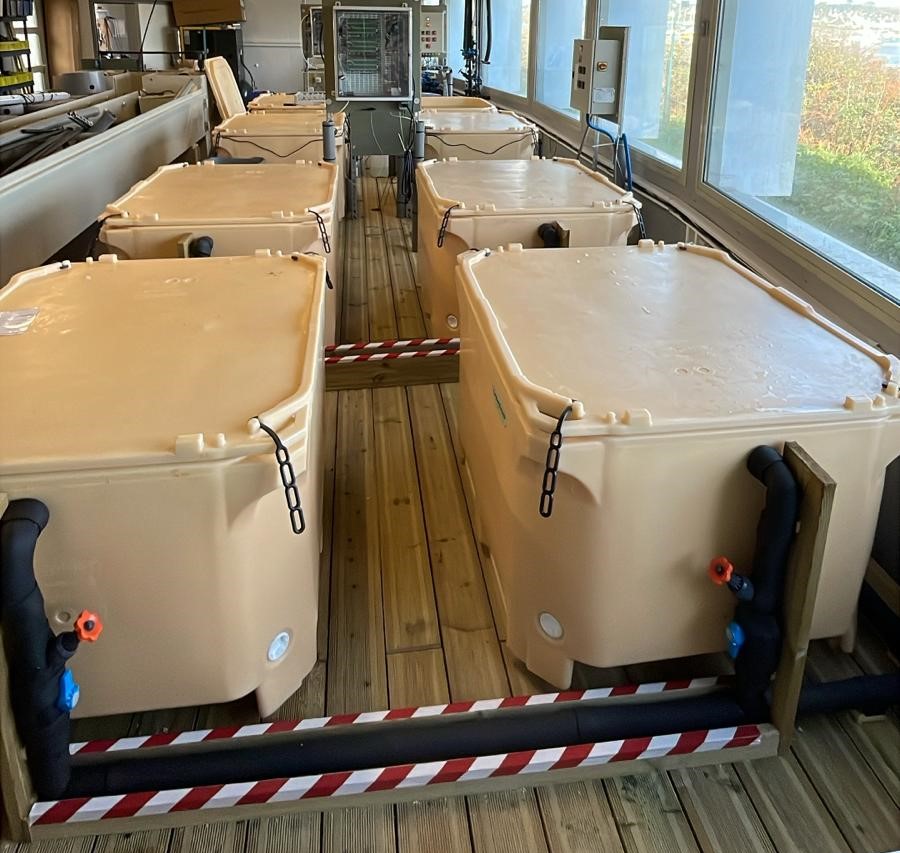
- 2 marine stations and laboratories with access to natural seawater from the Atlantic Ocean, with up to 20 continuously renewed seawater tanks (from 20 to 3 000 L)
- Tests in natural seawater: immersion, tidal zone, splash zone, with or without environmental parameter control
- Collaboration with other marine stations around the world: France, Brazil, Sweden, Norway, Australia, etc.
- Design and deployment of mooring lines for corrosion testing and cathodic protection measurement
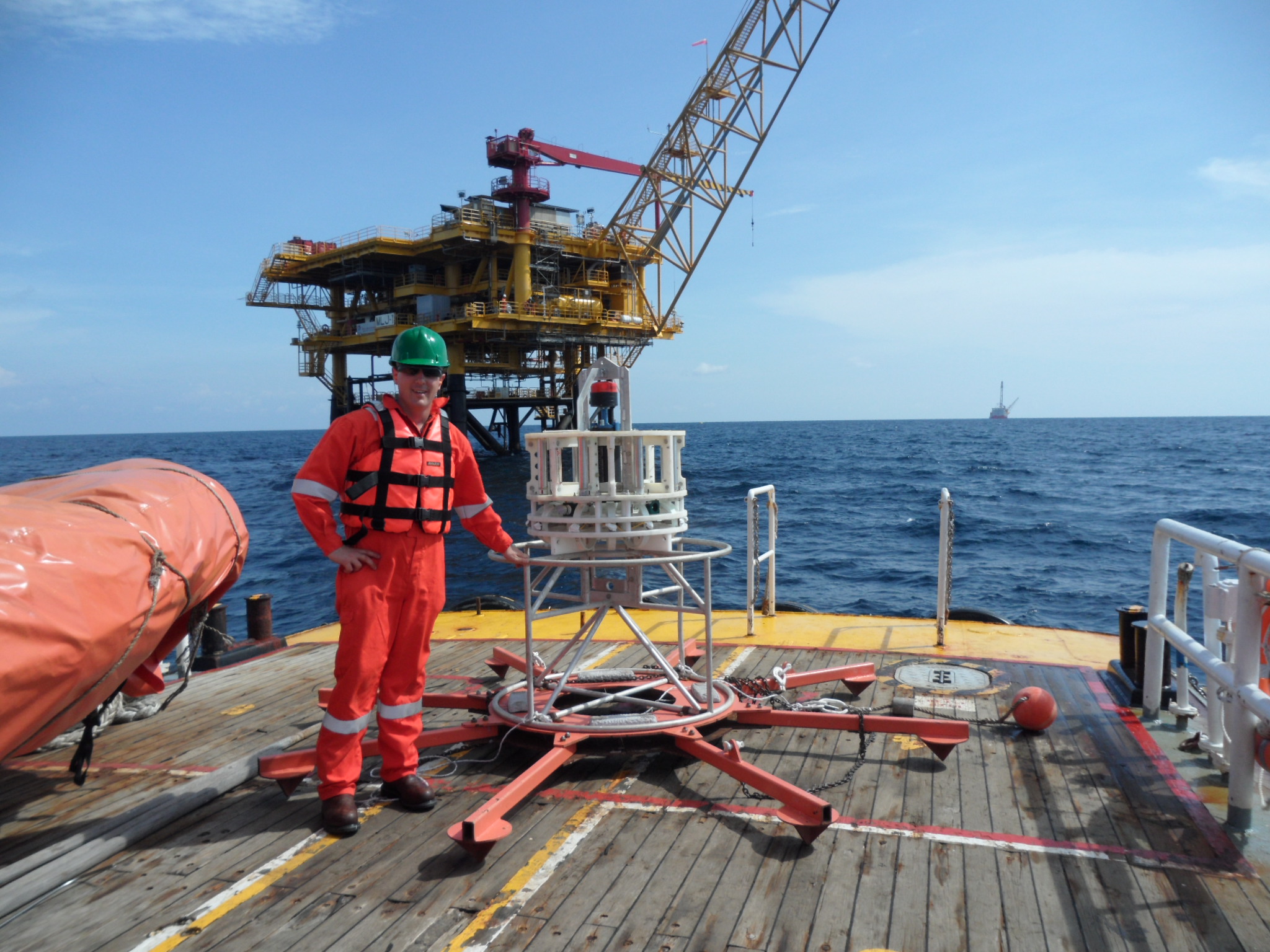
Examples of tests:
- Tests in natural seawater and other types of water: immersion with or without environmental parameter control (temperature, flow rate, dissolved oxygen, pH, chlorine, etc.) — tanks from 20 to 600 L
- Corrosion and cathodic protection monitoring up to 500 channels with remote data acquisition
- Flow loops with environmental parameter control
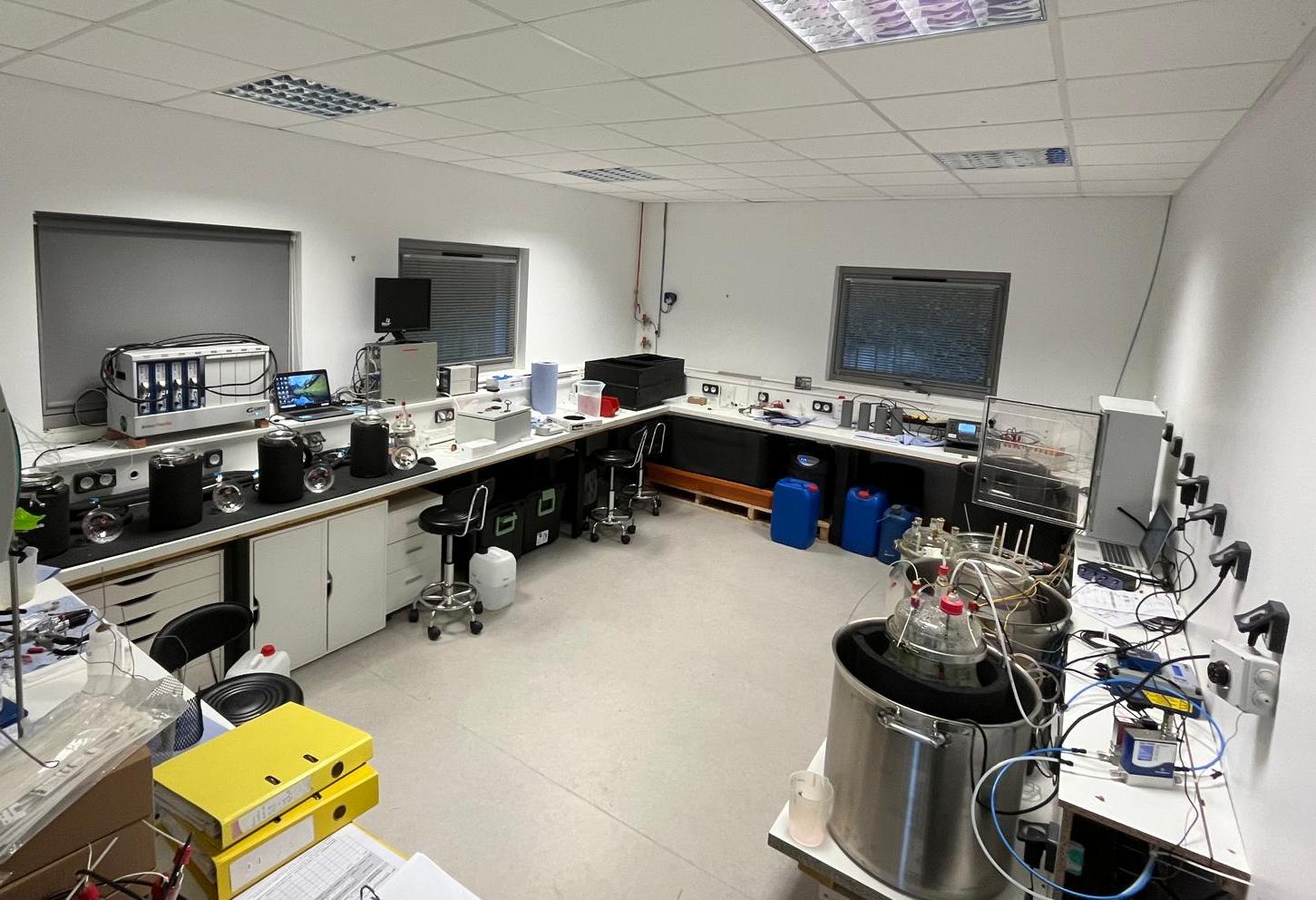
- Laboratory-scale corrosion tests. Electrochemical tests: polarisation, standardised methods (ASTM GXX, etc.)
- Corrosion and cathodic protection monitoring (open-circuit potential, galvanic and corrosion currents, etc.) up to 500 simultaneous channels with remote data acquisition
- Ageing of coatings and elastomers in natural seawater. Cathodic disbondment tests in accordance with ISO 15711 and ISO 21809
- Corrosion testing worldwide via partner marine stations: France, Brazil, Sweden, Norway, Australia, etc.
- Design and deployment of mooring lines for offshore corrosion tests and cathodic protection measurement
Would you like more information about our seawater testing capabilities?