Context
Aluminum alloys, particularly from the 2000 and 7000 series, are widely used (e.g., in aerospace) but remain susceptible to corrosion, which necessitates the application of protective coating systems. Historically, these systems have relied on chromated compounds (Cr(VI)), which are highly effective corrosion inhibitors. However, environmental regulations (such as REACH) are limiting their use, driving the development of chromate-free solutions. Despite these advances, long-term atmospheric corrosion data on these new systems remain scarce, particularly for exposure in varied climatic environments. Furthermore, under-coating corrosion (filiform corrosion or blistering) represents a major industrial concern, whose mechanisms are still not fully understood and are strongly influenced by various environmental factors (humidity, temperature, pollutants, chlorides).
Methods
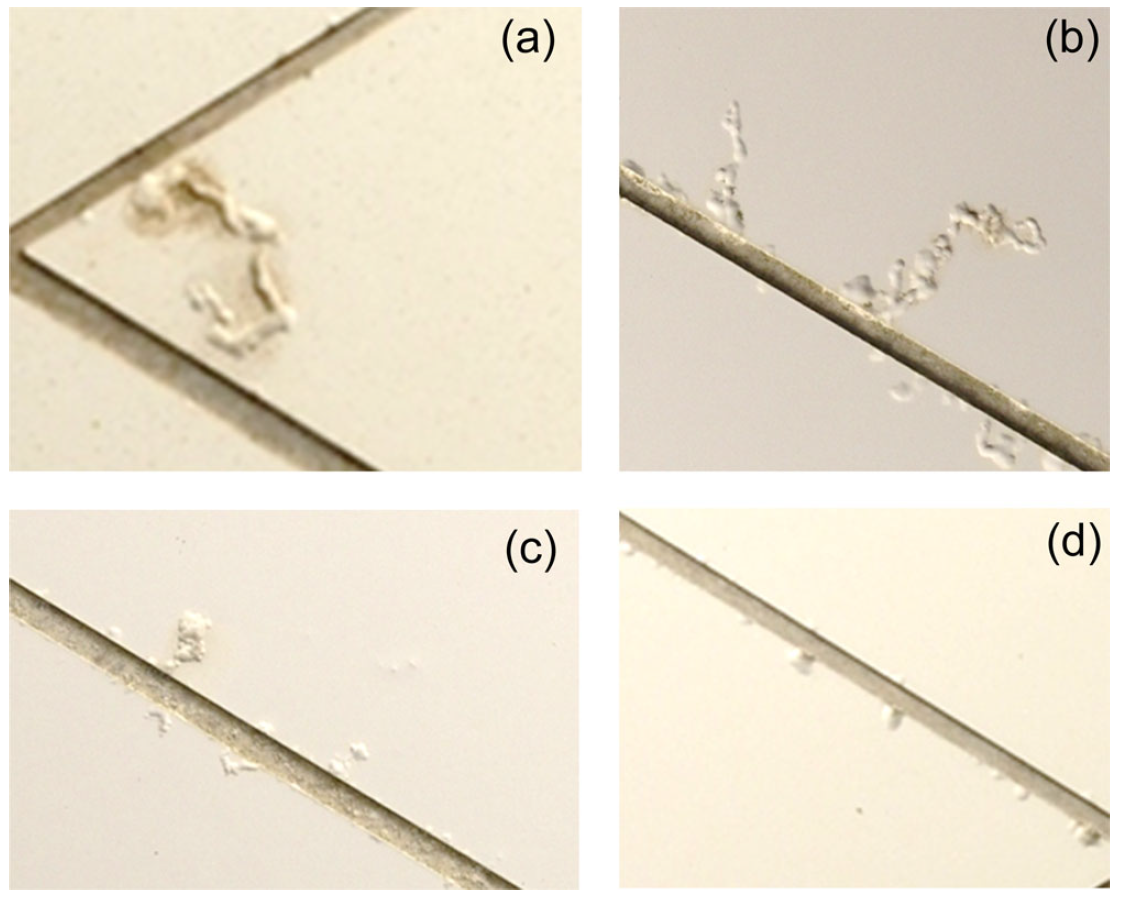
The study is based on the exposure of four chromate-free coating systems applied to 2024 aluminum alloys, prepared with different pretreatments and primers. The samples, intentionally scribed to simulate defects, were exposed for 5 years at eight international sites covering a range of environments (marine, urban, tropical, industrial). Climatic conditions (temperature, humidity, chloride deposition, pollutants) were monitored in accordance with ISO standards. Degradation was assessed at regular intervals (1, 2, and 5 years) through microscopic image analysis, quantifying the area of under-coating corrosion and characterizing morphologies (filiform corrosion or blistering). Statistical tools were used to compare the sensitivity of the systems to environmental conditions.
Results and conclusions
The results show that the performance of the systems strongly depends on both the type of coating and the environmental conditions. Some systems exhibit better overall resistance, while others are more sensitive to climatic factors. Tropical or warm sites appear to be the most aggressive. The nature of degradation (filiform corrosion or blistering) varies depending on both the environment and the system, and cannot be explained by a single parameter such as humidity. The study clearly demonstrates that site corrosivity results from a combination of factors (temperature, humidity, pollutants, chlorides), rather than from a single isolated parameter. Finally, the ranking of system performance tends to remain stable over time, confirming intrinsic behaviors of the studied formulations.